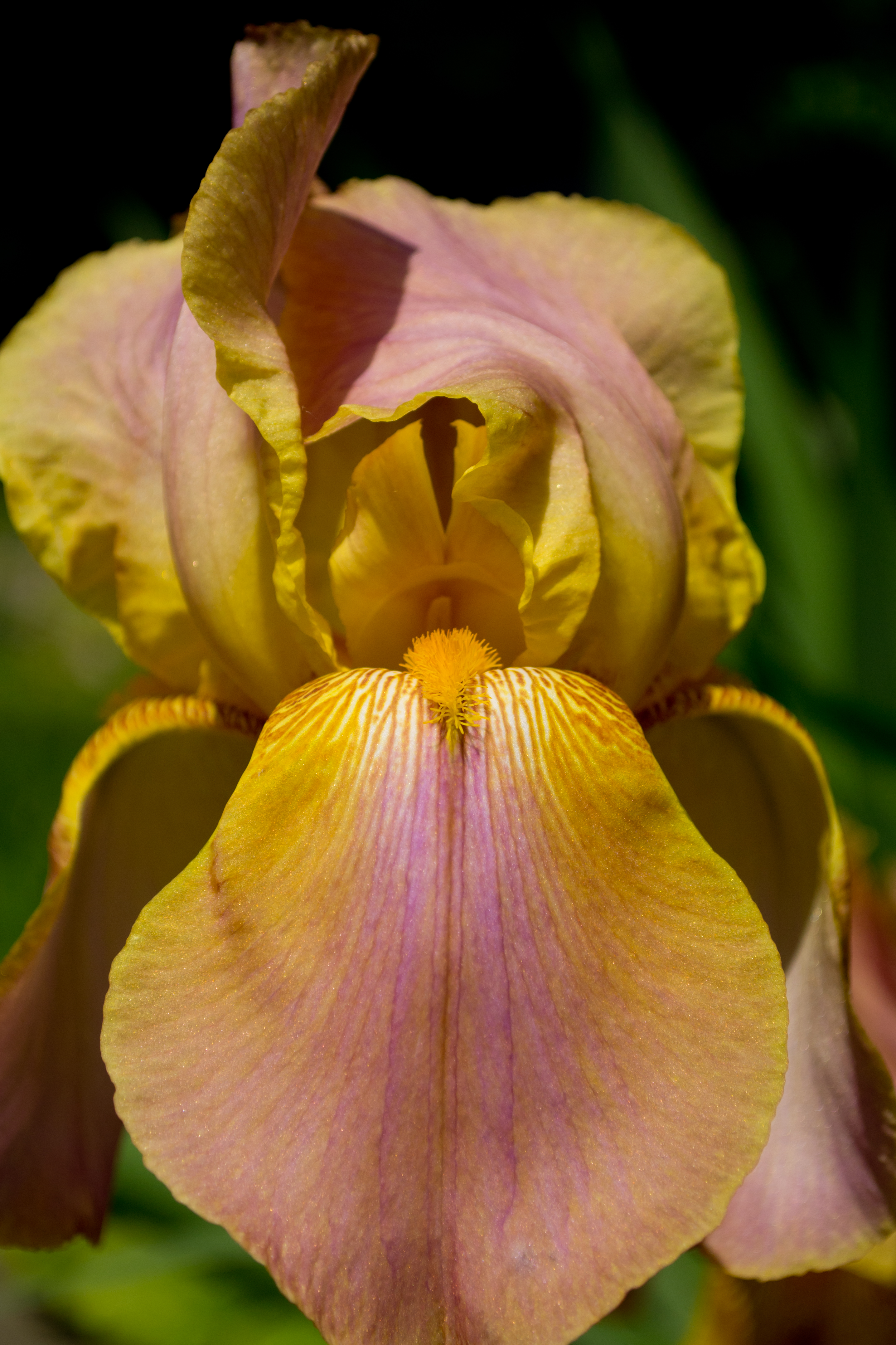



I do, because they’re awesome.

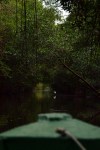
The technical definition of a swamp is really just a wetland that is dominated by woody plants. Nothing mystic, nothing scary, just a bit of water and a bunch of trees. Many people may assume that our jaunt to what would be the first of two swamps we would visit in Trinidad was not pleasant, filled with giant mosquito bites and snakes dangling from trees waiting to snatch up the smallest of the unsuspecting adventurers or such ilk. Reptiles tend to blend into the deep green and brown that permeates the dense vegetation that exist after the edge of the main water channels, so despite the estimated density of 11 tree boas per square kilometer found by these nutters who actually count that sort of thing, we didn’t see many snakes or caiman on this trip (not that they didn’t see us…). Those fears of swamp monsters and horror stories shown on TV don’t always apply to real life, and to be honest, there were more biting bugs at the beach than there were at the swamp. And anyway, I was more interested in the charismatic megafauna. You know, the birds.
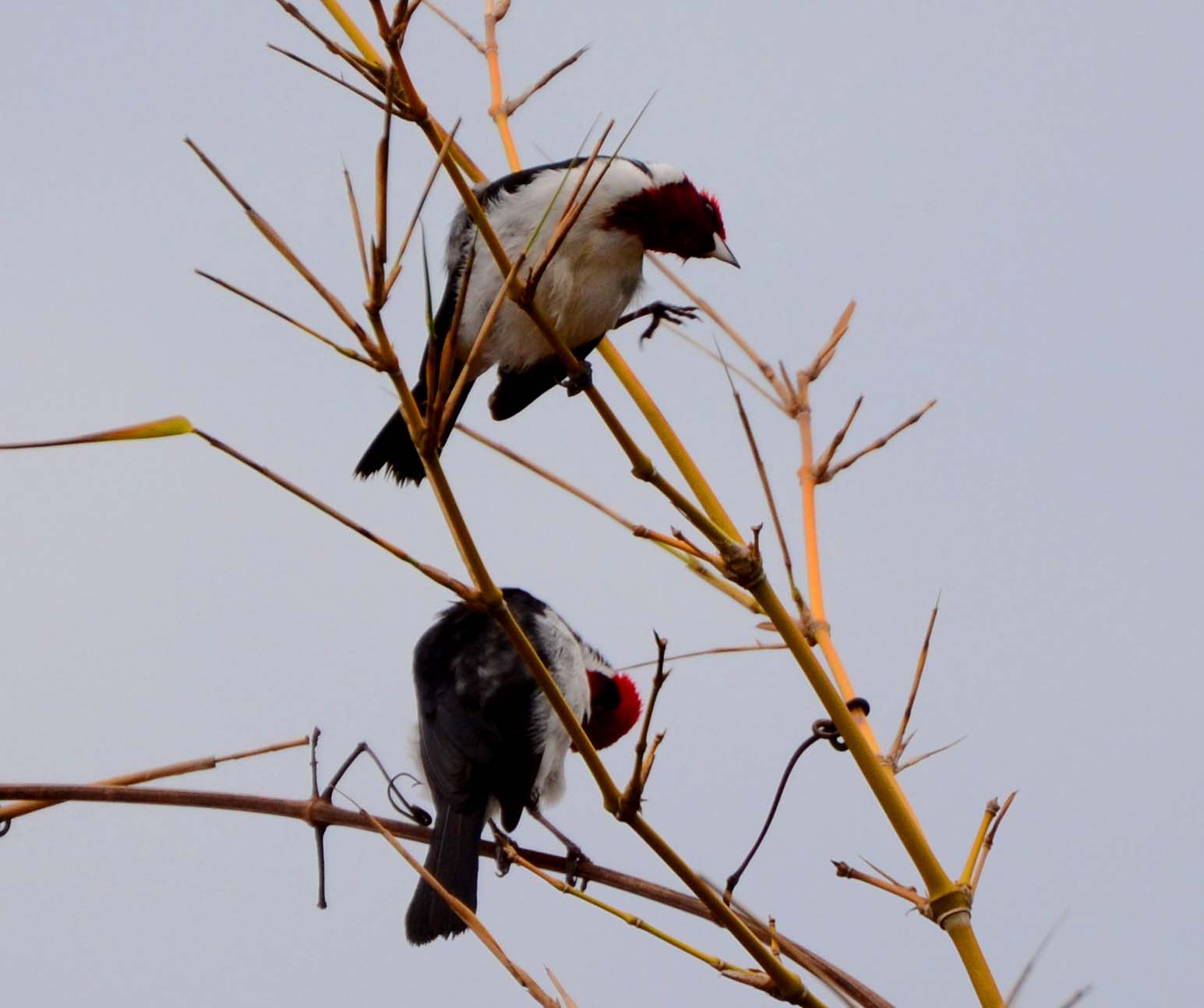
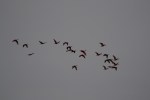
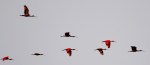
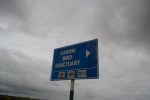
The Caroni Swamp sits on the west coast of Trinidad where the Caroni River empties into the Gulf of Paria, the body of water between Trinidad and Venezuela. This large patch of islands and water has been set aside for over 50 years in an effort to protect Trinidad’s national bird, the Scarlet Ibis. Conservation efforts such as this, which specifically stops Carnival costumes from being made from wild bird feathers and from tourists like us from tromping in willy nilly and scaring the crap out of the beasts, have boosted this population to between 10 and 30,000 individuals. That is what charismatic megafauna can do for a habitat. If something is rare but pretty, people care, habitats get preserved, and thus the species itself gets a boost. The charismatic character of this particular bird comes from its bright red plumage which is developed in similar manner to flamingos, via its diet of algae and crustaceans, but the birds in this particular region have one more striking aspect to their life. These bright birds migrate daily from Venezuela to Trinidad, making a spectacular group return to the swamp each evening.

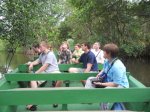
It is this sight that drives most of the ecotourism in the area, and this is that we had come to see. We got to the swamp about an hour before dusk and made our way to the wide boats and Winston Nanan, who would be our guide for both this and our second swamp tour later on. Winston and his son are very interesting people, with whom I’m very happy to have had the chance to meet, but I’ll get back to them when I talk about our adventures in Nariva. The boats took us into channels between islands cut into the swamp by both man and nature, weaving through the tight knots of vegetation that is typical of a mangrove swamp. The different types of mangrove shrubs (reds, whites, blacks, there’s over 100 species, so I’ll make this short) serve different functions in the swamps, from maintaining land and building new land, to providing habitat in both saline and fresh waters, all depending on the biology of the species.

All this culminated in a spectacular collection of trees with an unceasing diversity of wildlife contained within. By dusk, our boats had been positioned on the opposite side of a large lagoon from a big roost holding thousands of birds making dots of pink, blue, and white against the dark green of the mangroves. The ibises came in Vs, with young and old sporting different patterns of pink and black, all with the signature long curved beaks that are so good for fishing shrimp out of the mud. Cormorants, herons, egrets, bitterns, and the ibises all made their way back to the roots for the night, in spectacular form, both visually and audibly (just like students, those buggers are noisy when you get a bunch together!).
 After we’d spent quite a bit of time sitting quietly so as to watch but not disturb the nature, we gently made our way back to the dock and then again back to Pax, hopefully with a different view of what the mystical “swamps” are all about.






From the sounds, to the smells, to the feel of the wind, mornings are different when it’s raining. As it often happens in the Tropics, it was raining that morning, which meant less birding but more subdued chatting with the muted din of the downpour in the background. After our night of Penultimate Frisbee, food, and post-dinner card playing merriment, I was happy to see that all the students looked tired but alive, and each eventually made it down to breakfast. It’s always a good start to the day on a study abroad when your morning head count confirms that you haven’t managed to loose any students during the night and that the only things broken were a few pint glasses.

Our plans for the day were to go to a beach and to a swamp. Despite the weather and the dubious looks from the students that expressed questions such “as are we really going to the beach while it’s raining?” and “who goes to swamps anyway”, we made our way down to the bus and headed up and around the mountains. Trinidad’s Northern Range runs east to west along the majority of the top of the island, separating the heavily populated corridor that is between Port of Spain and Arima with the northern coast and the Caribbean Sea.
Interestingly enough, a number of roads in this area were developed in part due to the cooperation between the United States and Great Britain during World War II. The “Destroyers for Bases Agreement” signed in 1940 facilitated the exchange of UK controlled land for American warships to aid in the war effort. In Trinidad (which was still a crown colony until 1962), this led to the construction of two US Army Air Force bases and a number of Navy stations along the northern coast line. The roads we traveled on that day were in part an effort to connect the Air Force and Navy installations on the island. This may be trivial to most, but I was struck by the influence the rest of the contemporary world had on this seemingly distant island, slave trade and colonization aside.
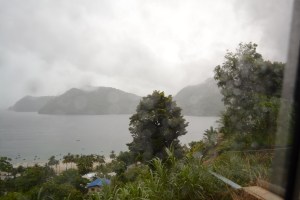
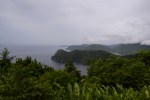
I’m glad those roads were in fairly good shape, because those mountains were beautiful but windy. I thought we had gone through some interesting switchbacks to get to Pax, but this drive was even more spectacular with cliff faces to once side and the sea to the other. Each turn brought us above another cove cut into the coast, all filled with golden sand and olive green trees. We glimpsed our destination of Maracas Bay before we got there, giving us a chance to anticipate the beach, set back deep into the coast and protected from the strong currents that plagues many of the other northern beaches.

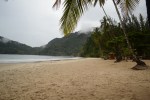
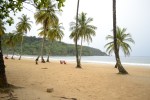
We finally got down to the sand and surf, and it was still drizzling slightly. Fortunately, that meant that the beach was completely empty except for us whities. We donned our ever needed sun tan lotion just in case the sun decided to shoot its rays through the clouds (it did, this day was the start of some persistent sunburns) and headed straight in. I’ve been lucky enough to swim, or at least wade into (the North Sea is damn cold), two oceans and two seas throughout my travels, and my second jaunt into the Caribbean lived up to its reputation of being bath temperature warm, so salty that you hardly have to work to float, and so beautiful that you don’t ever actually want to get out.
Everyone spent a long time swimming, bobbing with the waves, and body surfing (who needs a board when you’ve got prefect surf that takes you from a few hundred yards out right to the sand with only a few well timed strokes?), and then it was time for some Penultimate Beach Frisbee. Same rules, same players, more epic and gratuitous water layouts for the disc.

After we had had our fun in the (still not any) sun, we headed to the food vendors that contribute to this world famous beach for some lunch which included Bake and Shark. Instead of writing more (I’m proud of you already for having stuck around to get to this point in the post), I’ll attach a video here so you can see what it is, as we were too busy eating it to take any pictures. Although I did try a bite of it, I had the veggie version which substituted the deep fried shark for cheese, but still wrapped in the fry bread with access to the choose your own adventure of condiments available at the stand. Really good…
The drive back through the mountains provided the views you see here. Unfortunately, the candy and food stands that normally were at the scenic overlook we stopped at weren’t there that day (can’t imagine why, the rain had just cleared when we got there and it was still fairly cloudy), but we got to walk around and take in the stunning topography of the Northern Range. The group picture is missing two students (Chase and Nathan) as well as our fearless leader, but from left to right the students are as follows – Abby, Chris, Josh, Brittaney, Kloe, Joe, Derek, and Chelsea. I don’t know the name of the friendly pup.
Next, on to our first swamp tour. But first, group nap!




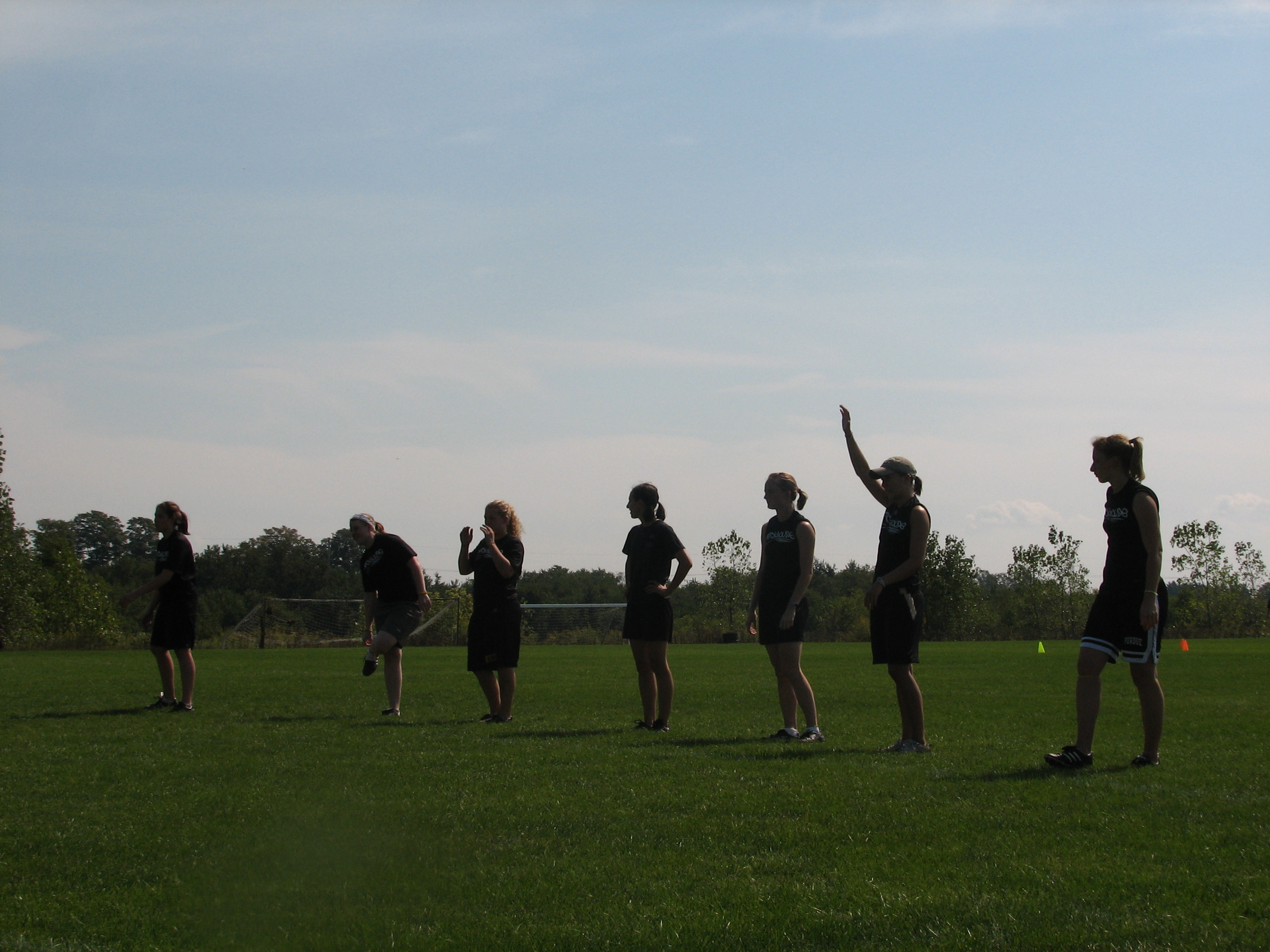
To start, I must unfortunately preface this post by saying that as far as I know, there were no pictures taken of the events I am about to describe. This is a shame, because we were awesome. Overheated, sweaty, occasionally uncoordinated, but awesome. The sport I’m referring to was aptly named…
Penultimate Frisbee.
In regular Ultimate Frisbee, or simply “Ultimate”, seven players line up on each end of a rectangular field just inside their respective end zones. The frisbee, the disc that is to be thrown from player to player, is then pulled (thrown really really hard) from one team to the opposite team down the field, starting play. The stationary player with possession of the disc can throw it to any member of their own team, running or not running, in an effort to move the disc from their end zone where it started to inside their opponent’s end zone for one point. If at any time during play, the disc is caught by the opposing team or even knocked to the ground, the team that did not have possession of the disc at the start of the throw (previously on defense) now has control of the disc (making them currently on offense) and can pick it up and start throwing it towards their opponent’s end zone to score their own point. Once a disc is caught by a player in the player’s opposing end zone, their team makes one point, the loosing team walks to the opposite end zone, the disc is thrown to that loosing team and play starts again.
In review, the main rules are no running with the disc, the disc can be thrown from any player to any other player, the disc is turned over to the opposite team if it is intercepted or dropped to the ground during play, no being a jerk, and no touching. Sound simple enough? I think so.
The people who play this sport are generally divided between those who like to run long distances and catch things, called cutters, and those who like to sprint short distances and throw things, called handlers. Each player must be able to play both offense and defense, as the players only leave the field when replaced by a substitute team mate between points. Generally the play is continuous with breaks only after one team scores and at half time, and games mostly last a little more than an hour to an hour and a half. Sports such as soccer, track, cross country, and lacrosse use Ultimate’s diverse range of physical activities such as cutting, long routes, short routes, jukes, fakes, stutter steps, pivots, lay outs, hucks, pulls, hammers, and hospital passes, as training tools to hone their athletes into perfect shape. They don’t call it “Ultimate” for nothing, just ask the guys playing the sport in kilts (a not uncommon sight on the playing field).
However, when you now combine that sport with 8 to 10 hours of walking, sight seeing, and learning to the main part of the day, 80 to 95 degree F weather, sand gnat bites up the wazzu, pointy sensitive plants as the turf grass, fairly constant dehydration, and people who maybe have thrown a frisbee three times in their life, Penultimate Frisbee is born.
If Ultimate Frisbee is the epitome of sport, with highly toned athletes turning well defined skills into effortless excitement, then Penultimate Frisbee is just a step (or two) below that, with out of shape tired people turning newly acquired theories into brief bouts of excitement which are immediately followed by less brief bouts of wheezing and sweating. Ultimate, to Penultimate, get it? It’s just like taking a perfectly good sport like baseball and giving bats and balls to fat office workers during their time off, only if baseball involved 15 minute long stretches of constant sprinting and the hand eye coordination needed to stop a flying plate from hitting you in the face.
Needless to say, although we were a rag tag collection of misfits mostly trying hard not to cramp up too much while running (and then proceeding to be disgustingly filthy and smelly back at Pax), we had a great time. Our pitch was the soccer / cricket field just down the mountain from our home away from home, easily accessible via a system of drainage gutters that made the walk to the games much faster than taking the switch back roads, while simultaneously making the walk back to Pax an arduous nightmare for some (i.e. me), where the hike went straight up the 60ish degree incline and involved the dodging loose rocks and vengeful sticks that often get underfoot. Penultimate Frisbee became our wind down activity after the adventures of the day where we could use up all our remaining energy before hopefully taking showers and greeting the sweet sweet dinner gong that signaled supper. I had fun, and I think others did too.
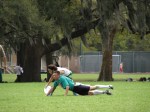
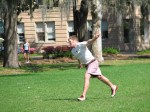
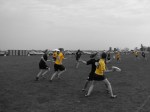
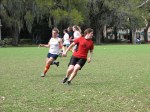
The lesson of this story, ladies and gentlemen, is ALWAYS CARRY A FRISBEE, and you’ll thank me later. Enjoy the pictures of what college Ultimate is supposed to look like, brought to you by my 6 ish years in the sport.








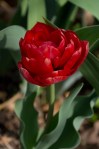
Sometimes too much of a good thing can be bad. This is not that time. When you walk around this garden, lovingly tended by its owners, you get a sense of the endless possibilities that are found in the different combinations of just a few colors. I had a great time walking through this garden, will you join me in a stroll?
Ok, so too much Tiny Tim can be bad…


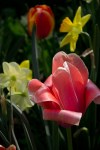
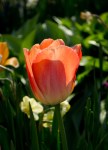

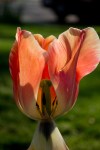
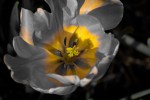


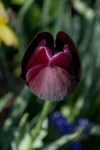


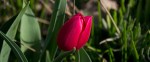
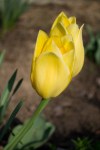
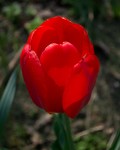

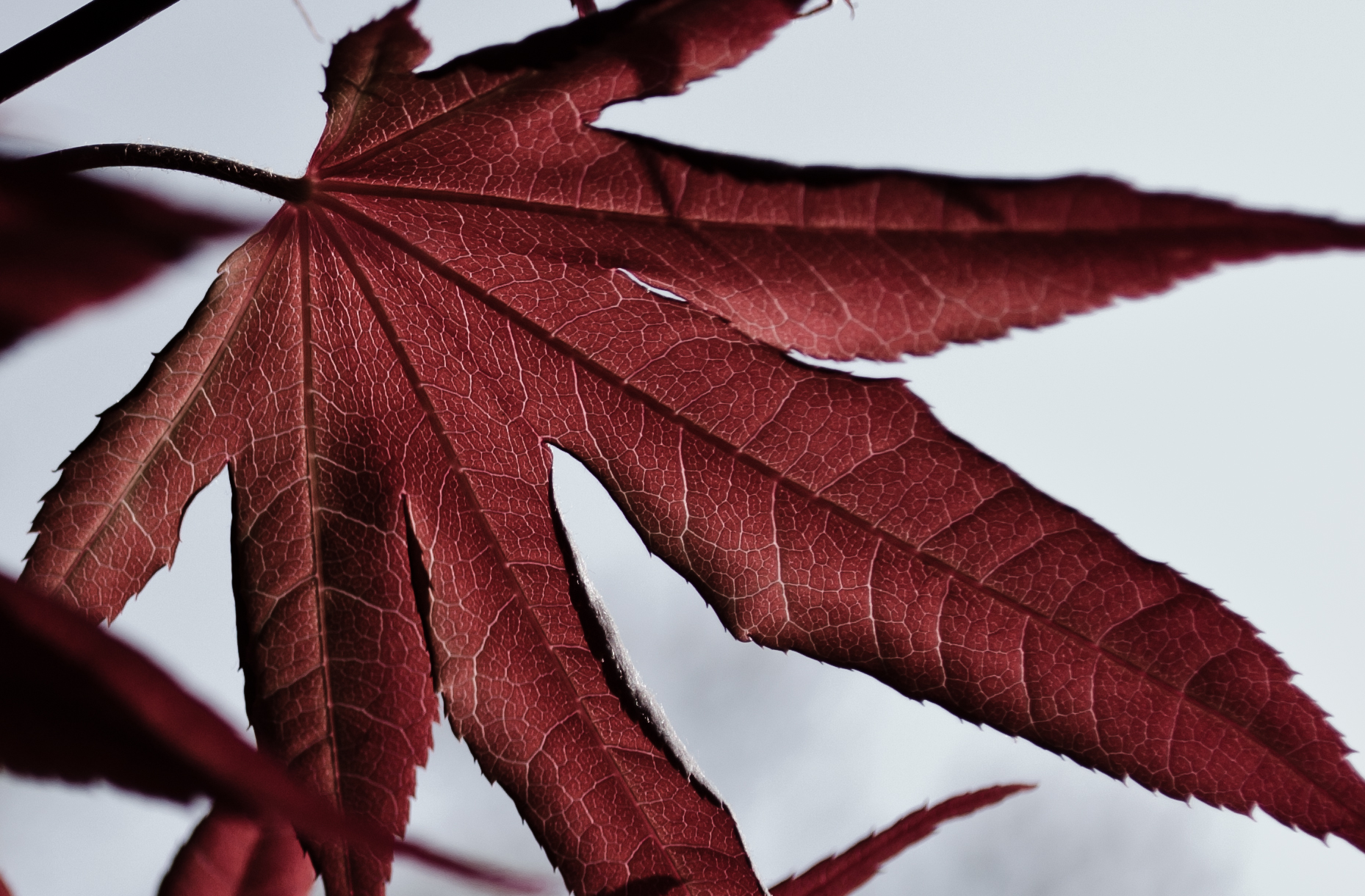
This week, the theme of the neighborhood is Red (and some Orange). Not quite as pervasive as the other color changes, but still eye catching none the less. Next up, Green, and lots of it.




Our first stop near after the museum was to see the two original cacao drying houses which had roofs that completely rolled back off the foundation to expose the rafters where the cacao was laid to dry. According to the Ghost Hunters episode intro, the bottom part of the drying houses were used as a jail for slaves, but we were mostly told about the cooler parts of the town’s history.

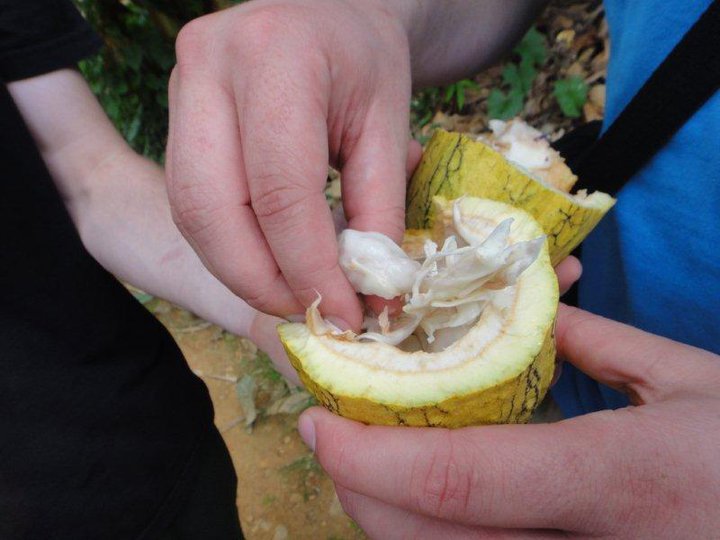
There were still cacao trees around the city, and the students finally got a taste of real chocolate. Cacao (simply called coco by the Brits, Theobroma cacao by the sciency types, and is where the beautiful chocolate comes from) is hard to describe. What we think of as “chocolate” is a far cry from its original form.
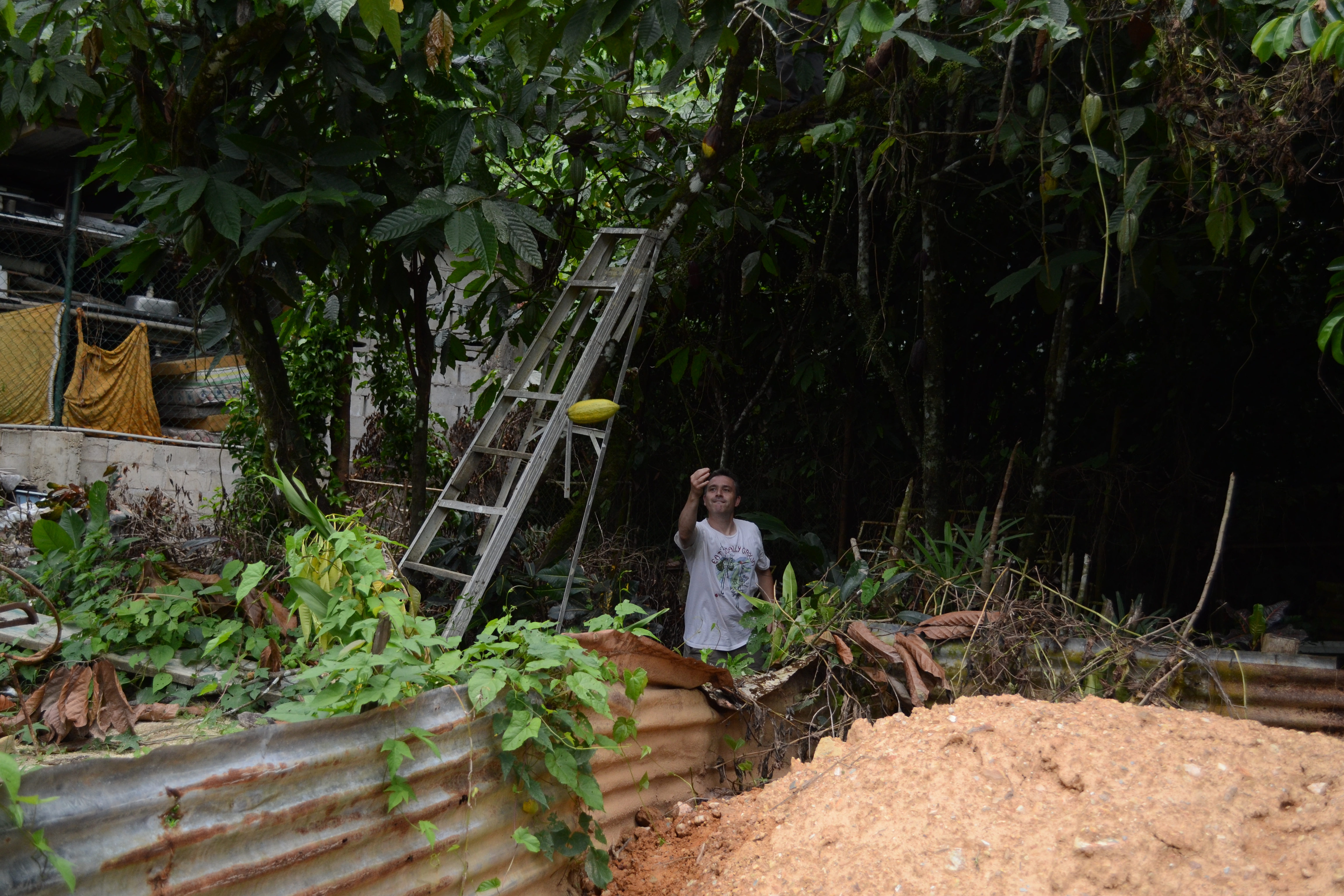
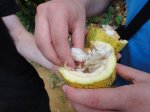
Cacao pods, which do indeed grow on trees (directly from the tree trunk to be specific, Hallett is tossing a pod that Arthur had just harvested from the tree to the group in the picture above), contain a core network of beans the size of polished river rocks surrounded by a delicious white pulp. I’m cheating ever so slightly with the cover picture, it’s actually cacao from Costa Rica, but it better illustrates the crazy “from the trunk” growth that is indicative of the species. Surprisingly, it’s the pulp that’s the best part of a ripe pod. Each variety of cacao has slightly different tasting pulp, but they all are really sweet and very very tasty. The seeds, as they are in the ripe pod, are fantastically biter and also fantastically purple.
To make chocolate, the seeds are separated from the pod and the pulp, dried (like in the cool houses in the village), then roasted. Ok, there are a lot more steps in making what we think of as chocolate than just that, all of which I’ve learned in a number of classes, but we didn’t see that here. Point is, raw cacao pulp is absolutely heavenly, and not something that can be reproduced by anything outside of my imagination. For a slightly less confusing description of cacao, see the pictures, and I guess Wikipedia. Sorry, the visual aids don’t contain any tastes.
Arthur then proceeded to walk us around his farm, showing us one entrepreneurial endeavor after another. The farm had everything from a full vegetable garden, tons of crazy tropical flowers, fruit trees (including the wonderful cacao and coffee), a tilapia pond, and a new church that looked out onto the beautiful rectangle of a fish pond. Hallett said that most of these developments were new in the two years since he had been there last, showing the resolve that Arthur had for his projects.
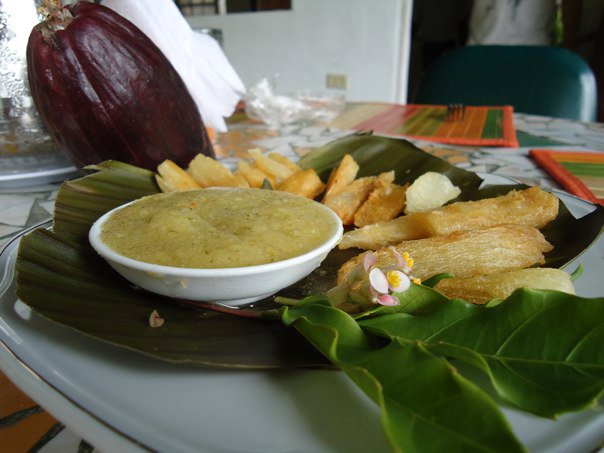
In an effort to save time and maintain readership, I will summarize lunch back at Mariposa via pictures and two words – fried yucca. Mmmmmmmm.
After the feast and a good tropical fast start / fast stop drencher of a rain storm, we were led on a nice little nature walk up the side of a mountain. Keep in mind it had just rained when you see some of us slipping… We went up back and forth via switchback foot trails surrounded by greens of as many shades as you can dream, tree seeds that look like dolphins once you carve the eyes, and lots of fauna that probably saw us far more than we saw them. Point in fact, our first brush with the illustrious Bothrops asper. For those not familiar with herpetological taxonomy, this would be the fantastically poisonous pit viper better known as a fer-de-lance. I tended to stick to the back of packs when we were walking like this, mostly so I could assuage my fears that I would loose a student at some point on the trip (and judging by the pictures I’ve scavenged from the students, I maybe wasn’t that far off, I’m really glad that only about two people got hurt on the whole trip), so I was the last in line to pass a bowl in the rocks next to the trail.

We had been told about the snakes in this area ever so briefly, and mentioned that they do tend to like curling in crevices just like that one, so when I walked past it, I looked in. Thankfully, I don’t have a picture (of this one…), because my choice was to pause and get out my camera, or keep walking and not risk getting lunged at. It’s diamond patterned body was coiled nicely back in the whole, but I’m dead sure that I saw it’s triangular head with black eye stripes raised above as if to say “yes? what do you want?”. Needless to say, I walked slightly more carefully (but also slightly faster) down the rest of the trail back to the cafe.
Ok, I’m fairly tired of writing at this point, and if you’ve made it this far, you’re probably tired of reading. We did a few more things that day, specifically our inaugural game of penultimate frisbee, but that will have to come in the next post. Thanks again to the students I’m stealing pictures from, (the labels on the picture files correspond to the initials of those who took the pictures, btws). The flower pics from Lopinot this time around were from Chris, our resident plant hugger, and a lot of the walking / misc pics came from Abby and Brittaney. I suppose I should introduce the students at some point… Think there are some nice group shots from the next day, perhaps I’ll do it then. But first, penultimate frisbee!
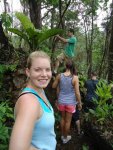


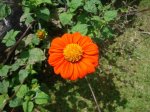


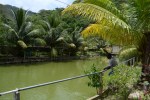
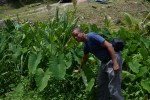

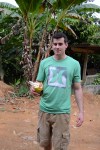
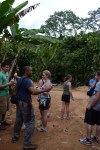


The third day of our adventure started yet again with a wonderful Pax breakfast, but this particular morning I explored the lower balcony and the appropriately named “Hummingbird Trail”. As you would expect, I came down to breakfast most mornings with both my notebook, my semi-permanently borrowed Trinidad and Tobago bird book, and my camera (OK, I almost always had those three things with me…). While the view from the upper terrace looked out onto both the city and some upper canopy up the mountain (there was a fantastic avocado tree with fruits just hanging over the railing so close to the tables that if they were ripe they’d basically be serving them selves to diners), the lower terrace looked into the chaotic world that is a tropical forest. Pax puts out both hummingbird feeders and flat fruit feeders to attract birds, and birds there were a plenty. In the brief time I had to sit and watch, I saw everything from tanagers, bananaquits, honeycreepers, buzzbirds (what I will call hummingbirds from now until forever), and lizards that could only be seen when they moved. Needless to say, I liked it there.


When Eric pulled the bus up the driveway, I was forced to pull myself away from the endless wonders of the forest and move on to the new endless wonders of Lopinot. As mentioned earlier, one of the previous waves of colonizers to come to Trinidad were the Spanish, but the French managed to have their say in the island’s history as well. The valley in which Lopinot sits was colonized by the Spanish, while the town itself was built in the early 1800’s around a French cacao plantation established by the Compte (Count) de Loppinot, a French knight who had influence all over the “New World”. A number of other groups influenced the diverse history of the village, including Indian newcomers freed from indentureship and a near by Spanish city whose inhabitants had the option of moving to Lopinot after their original city was flood in the 1940’s by the construction of a dam. To make a 200 year long story short, Lopinot had a lot going on both historically and currently.
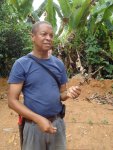
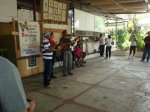
Our hosts during our time there were the wonderful folks at the Cafe Mariposa, specifically Arthur (pictured below), who would be our guide for the day. To begin the experience, Arthur and a number of other people gathered around the group and sang us a welcoming song in the musical style parang (more on that in a bit) entitled “Consider Yourself One of Us”. They continued to regale is with a few more songs, some in English and some in Spanish, all of which were fantastic, fun, and accompanied by maracas, which is always a good thing. After we had a bit of an overview of the area’s history, Arthur walked us around the village and out to his farm.

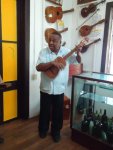
A lot of the original buildings have been preserved, including one currently housing a small museum. We were given a wonderful history of the village and also of parang, the Spanish / Caribbean fusion musical style deeply rooted in the history of Lopinot. Martin, the curator, gave us a demonstration of a number of the traditional instruments used in parang including a cuatro, a small four stringed instrument similar to a ukulele, maracas, and wood blocks. Hypothetically, we were taught some different rhythms, given the maracas and wood blocks, and told to clap along to his expert singing and playing. Even though our accompaniments were occasionally off, it was still great fun. For a good example of parang in Lopinot, see this YouTube video.

Martin also gave up a brief rundown of the plantation’s history of ghosts, including the Count himself, which can be seen in this convenient Ghost Hunters International episode, shot only months before we got there. I haven’t watched it all yet (I think it might kind of suck a lot, and probably sensationalizes basically everything possible), but I recognize a lot of the people interviewed, all of whom couldn’t talk about what the Ghost Hunters team had found while we were visiting as the episode hadn’t aired yet.
For the ease of reading, I’ve broken this post up into two. I do tend to be a bit long winded, my apologies, but the rest of the story is totally worth reading…


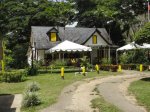
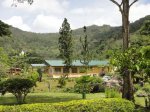


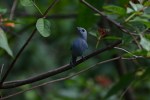
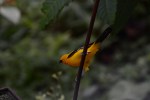




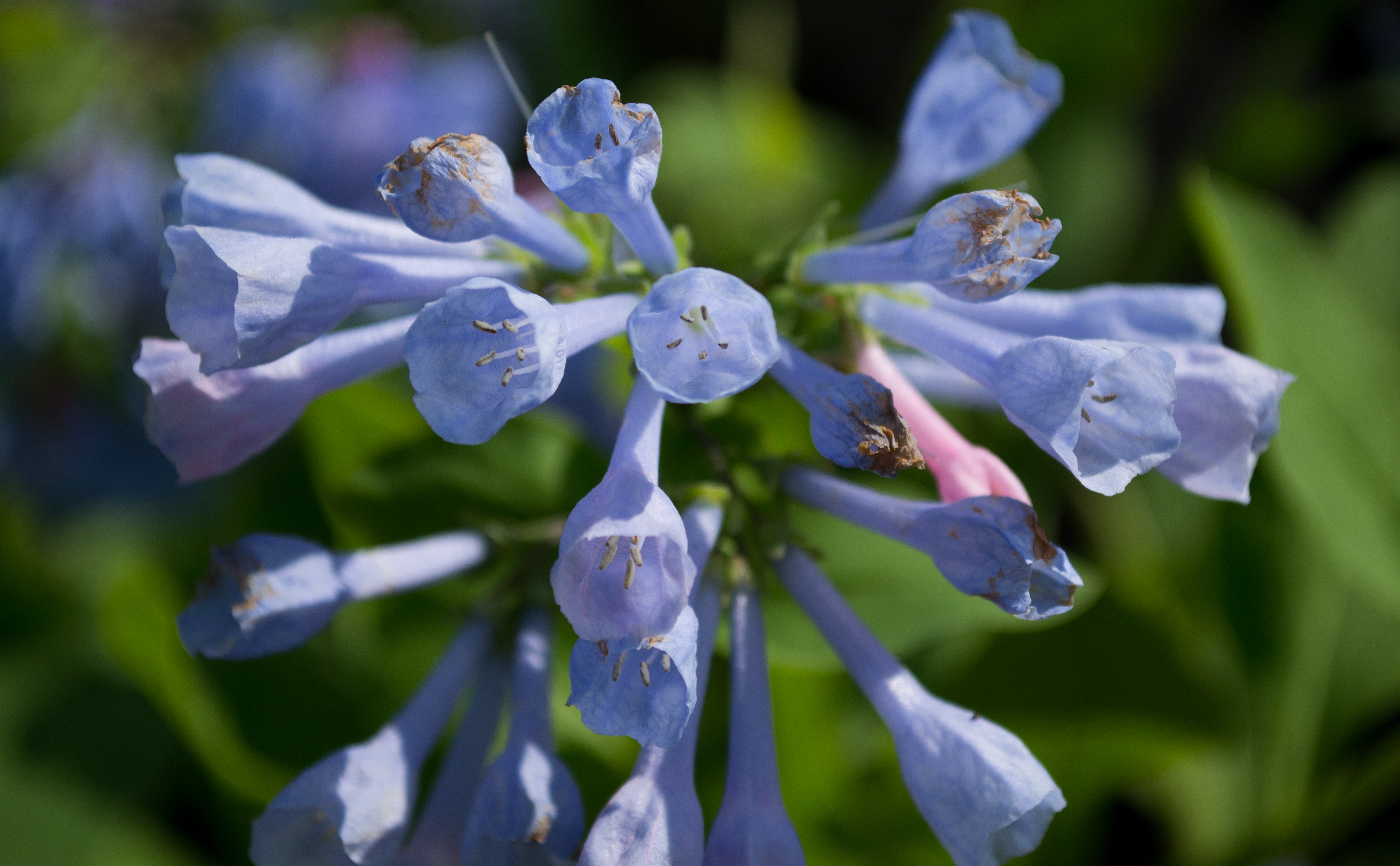
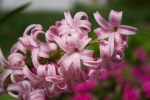
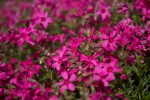
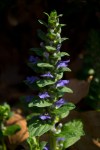
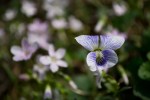
Last week was yellow, this week the neighborhood has jumped to the other third of the color wheel that embraces the colors that I love the best in nature. I mean, I get the reds, yellows, and green, but blues intrigue me. I guess the pinks and purples are OK too.










Reflections on adventures from Africa to Alaska
Exploring the animal kingdom from the perspective of art, folklore and mythology
Christine's Sketchbook
Swedish skull art
Located in Briscoe at Indiana University, the IU Civic Leaders Living-Learning Center is comprised of diverse students dedicated to leading for the greater good.
My Adventures in the Pacific Northwest
Nature and Science from Florida's Heartland
the Story within the Story
savoring life bite x bite
Melodic hiphop meets deep reflections about life and death
Sharing photos and thoughts about hope and God's love in the world.
What Life Doth
Two of the Great Joys in Life!
I will shatter a word and scatter the contents into the wind to share it with the world.
Indulge- Travel, Adventure, & New Experiences
PHOTOGRAPHY
 what Was, what Is, and what Will Be