Search

what Was, what Is, and what Will Be

I am the sum of what I produce.

Category

Archbold

Five At a Time – Green Dragon

Baby Gopher Tortoise!

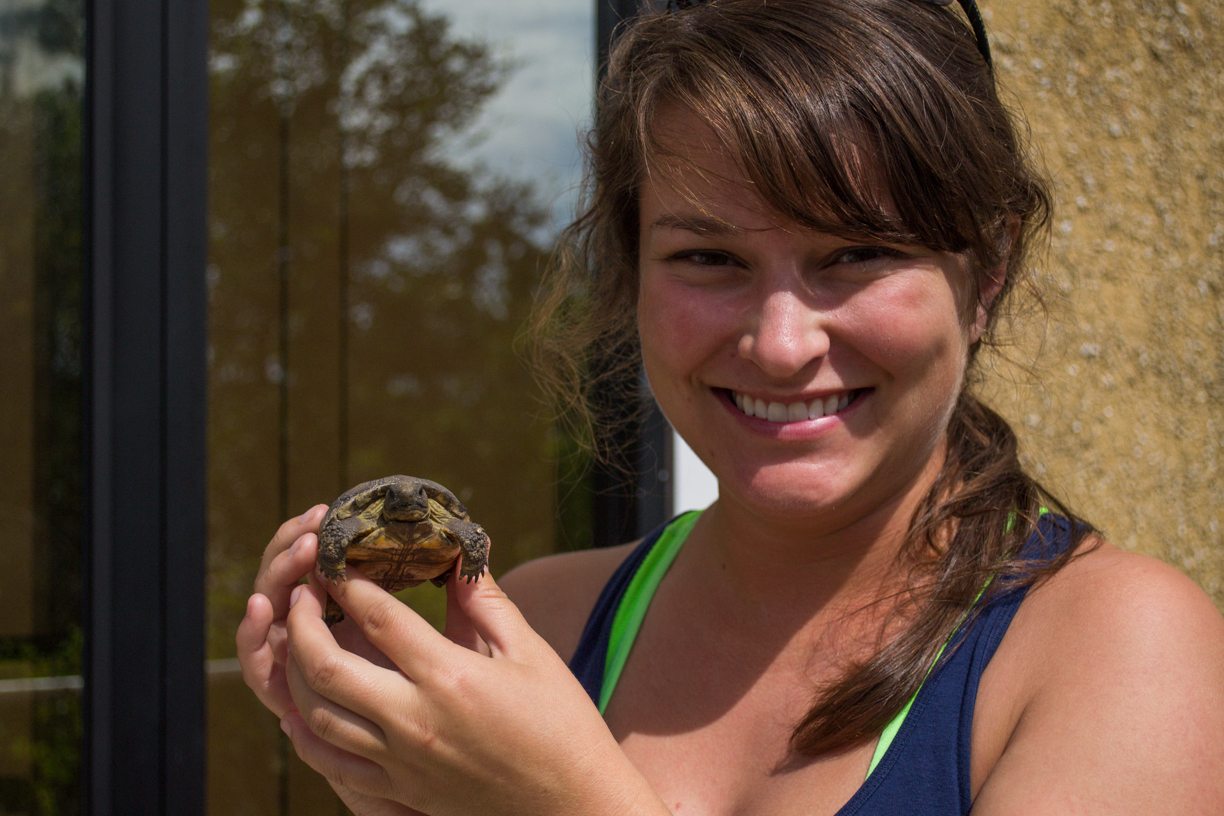
DSC_4201Check out this little dude or dudette!  Pretty small, right?  And although I said “Baby Gopher Tortosie” in the title, I may have lied slightly.  Tadaaa!

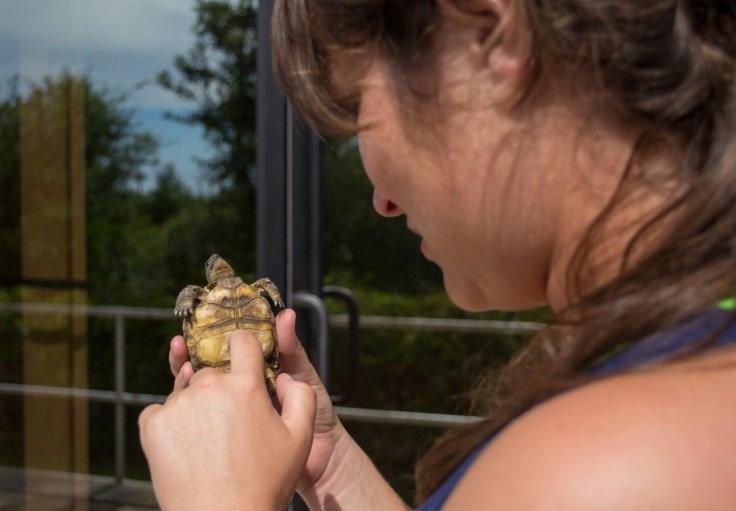
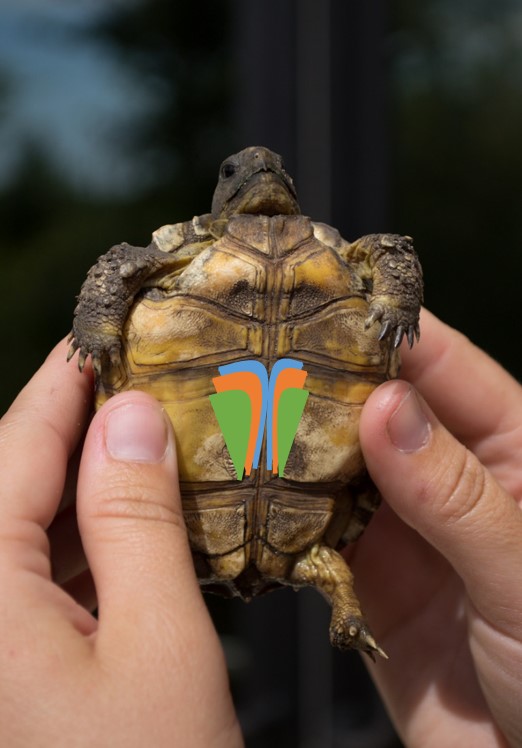
This hatchling is probably about two years old, a toddler by human standards.  How can we tell?  Just like a tree, we count its rings!

DSC_4206

Livvy Jones, one of the summer interns here at Archbold, is counting the scutes on the tortoise’s plastron.  That’s the fancy way of saying that she’s counting the plates on the tortoise’s stomach shell.  Each scute represents one year, starting with the birth year, year “0”.

GopherRings

In the picture above, you can see the individual scutes that are made of keratin, the same material that makes our fingernails. I have highlighted the corners of two sets of scutes to show how they are counted.  The green one is the oldest, and is the shell plate that the tortoise was born with.  The orange one represents the first year of growth, and the little Gopher is currently working on growing the second year in the blue area.  That means that this tortoise is roughly two years old!

DSC_4213

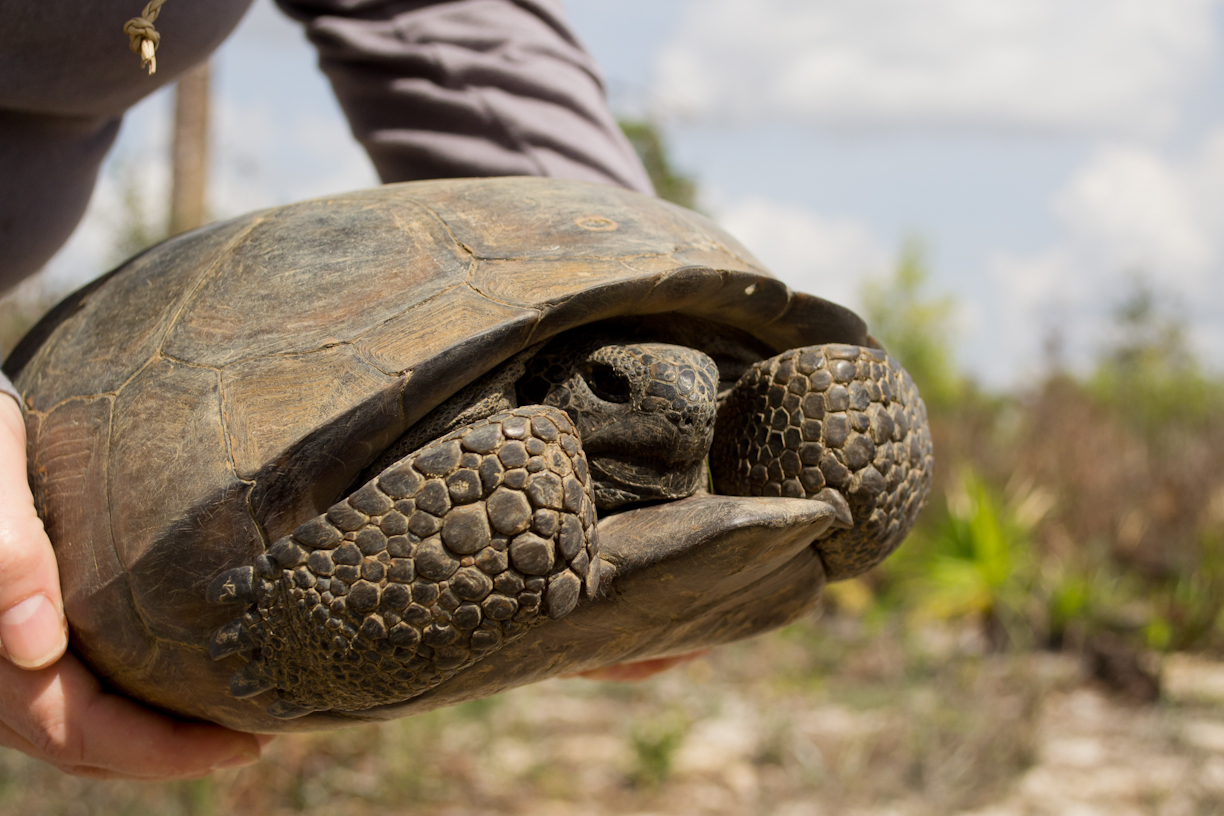
You can also see these growth rings on the carapace, the shell on the tortoise’s back, before they get worn down as the tortoise ages.  Considering Gopher Tortoises have been found to have a life span of greater than 50 years, this one has got a lot of life ahead of it!  Thanks, Livvy, for showing us this neat little guy!

DSC_4197

And don’t worry, folks, once we were done learning and taking some quick measurements (the researchers here do have permits and permission to handle this unique and protected species), we released it back right where we found it.


Feay’s Palafox

DSC_2892Sounds like a disease, looks like a firework, but is actually an Aster.  Unlike other plants in this family, i.e. sunflowers and daisies, Feay’s Palafox only has one type of flower instead of two.

Think of a sunflower.  The few, but showy, yellow flowers around the outside are all individual ray flowers.  The more numerous, but drab, brown circles in the middle are all individual disc flowers.  Imagine plucking all the yellow bits off, just leaving the brown bits in the middle.  That’s kind of like what Feay’s Palafox is, just the middle disc ones.  Not as eye catching, kinda weird and pointy looking, but pretty neat, eh?

Banding Day 11s

DSC_2608Have you ever seen a bird with a plastic band around its leg?  Ever wondered how the band got there, and what it is?  Well, now’s your chance to find out!

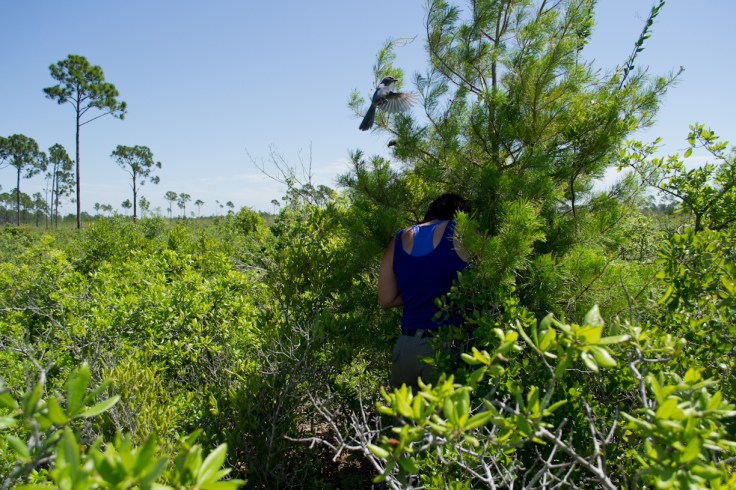
A few weeks ago, I had the opportunity to shadow a few of the Bird Lab interns and their boss out on a Day 11 banding morning.  The Florida Scrub Jays here at the Archbold Biological Station have been studied in great detail for 45 years.  One of the most crucial steps in understanding family size, life history, territory development, and anything else they want to know about birds is to be able to identify the individuals.

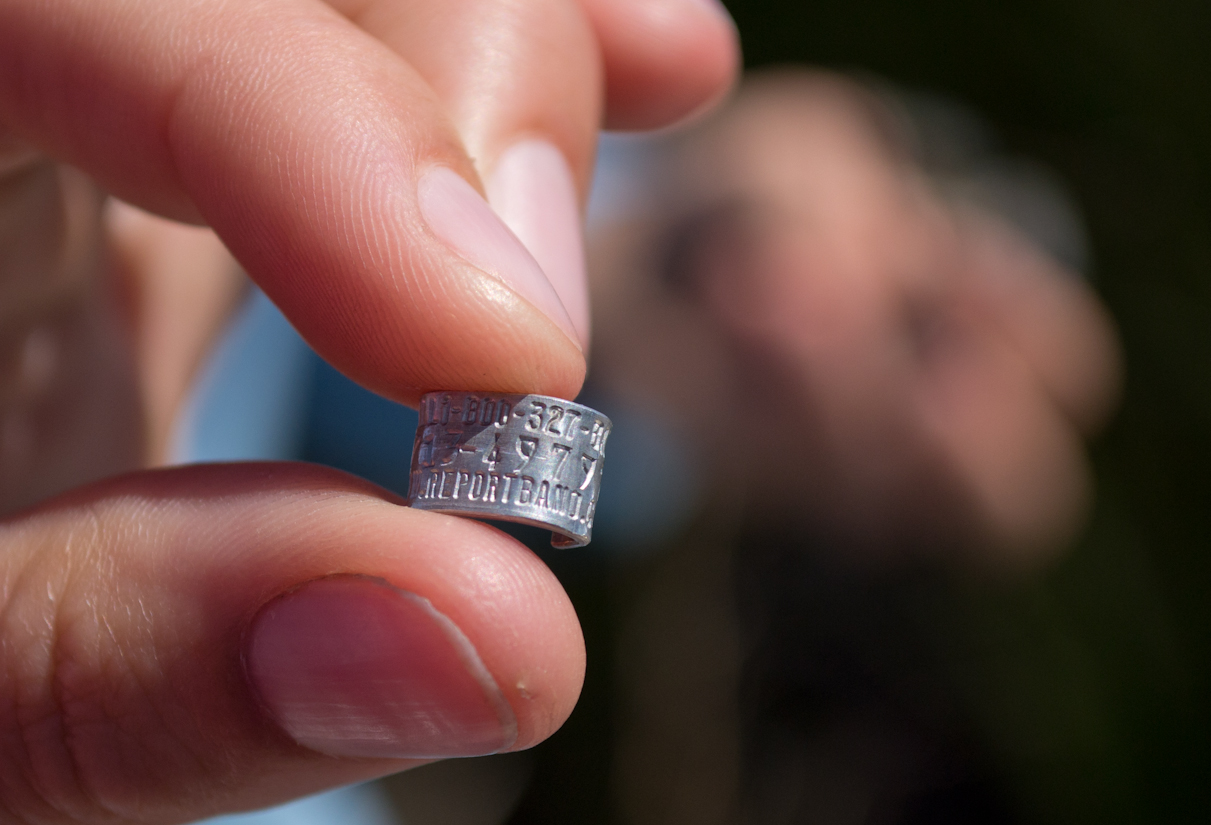
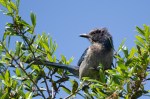
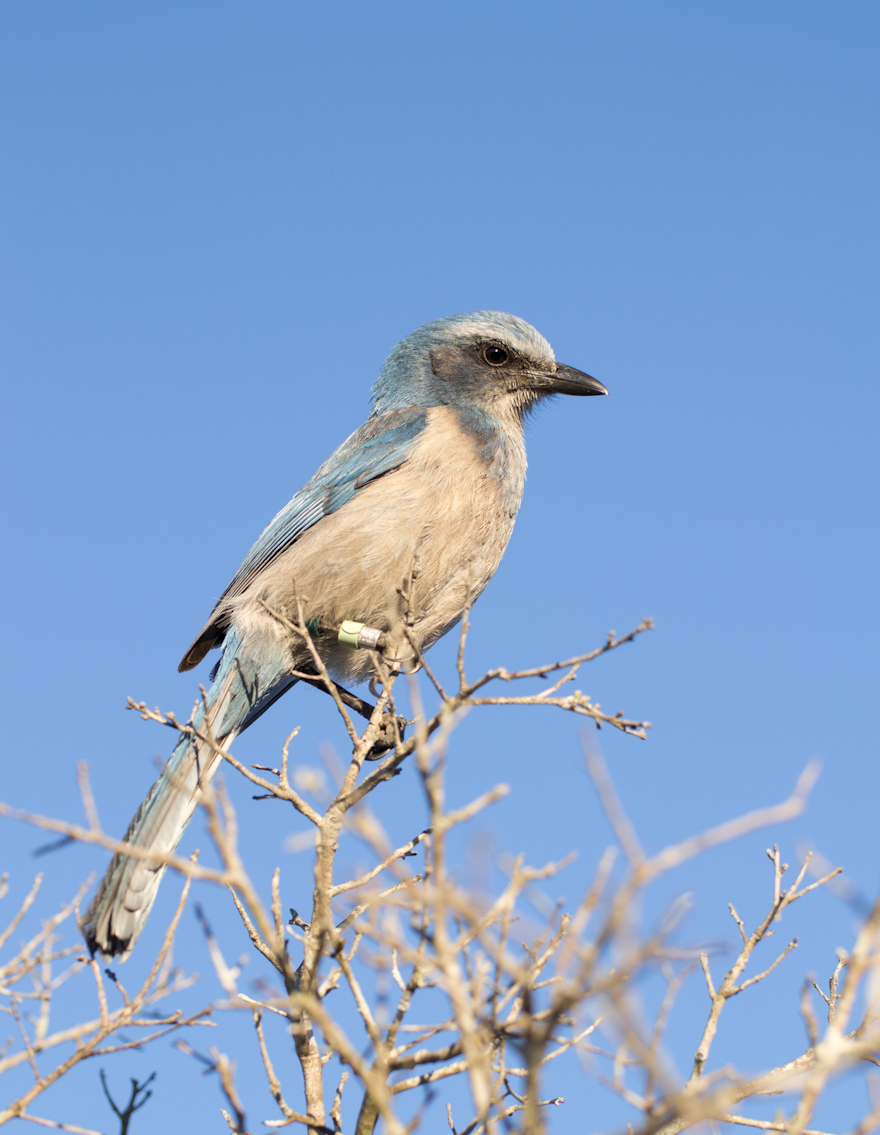
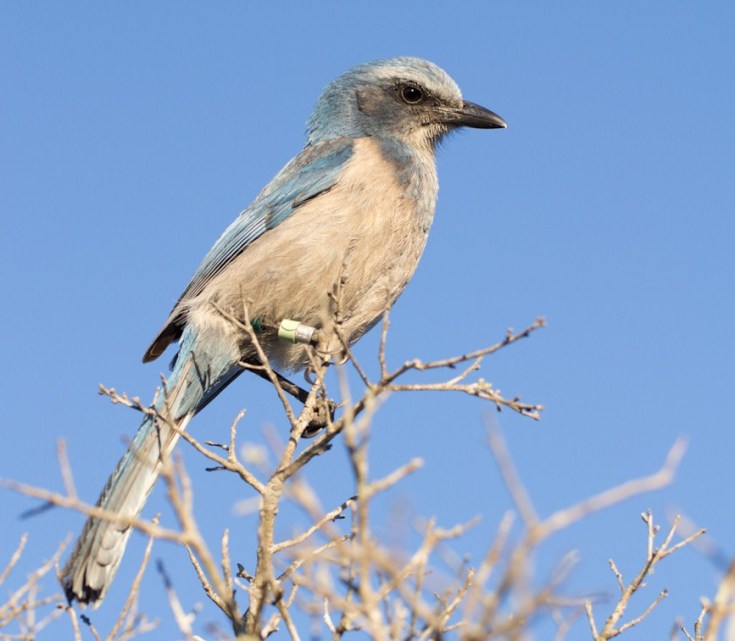
Since Scrub Jays have unique, but fairly similar, coloring, every bird gets its own set of leg bands; a silver one from the U.S. Fish and Wildlife Service, and a set of colored plastic ones from the Bird Lab.  Below, you can see a USFWS band, as well as an adult with dark and light green plastic bands along with the silver metal band.  The order of the bands, from top to bottom and right leg to left, tell us the identity of each bird on the Station quickly and from a reasonable distance.

DSC_2610 DSC_8670-2

The US Fish and Wildlife Service, in conjunction with other smaller agencies such as Archbold, band birds to gain insight on migration patterns, ranges, life histories, and land use habits of a lot of different types of birds all around the nation.  More information can be fond here.

So that’s what the bands are, but how do the bands get on the birds?

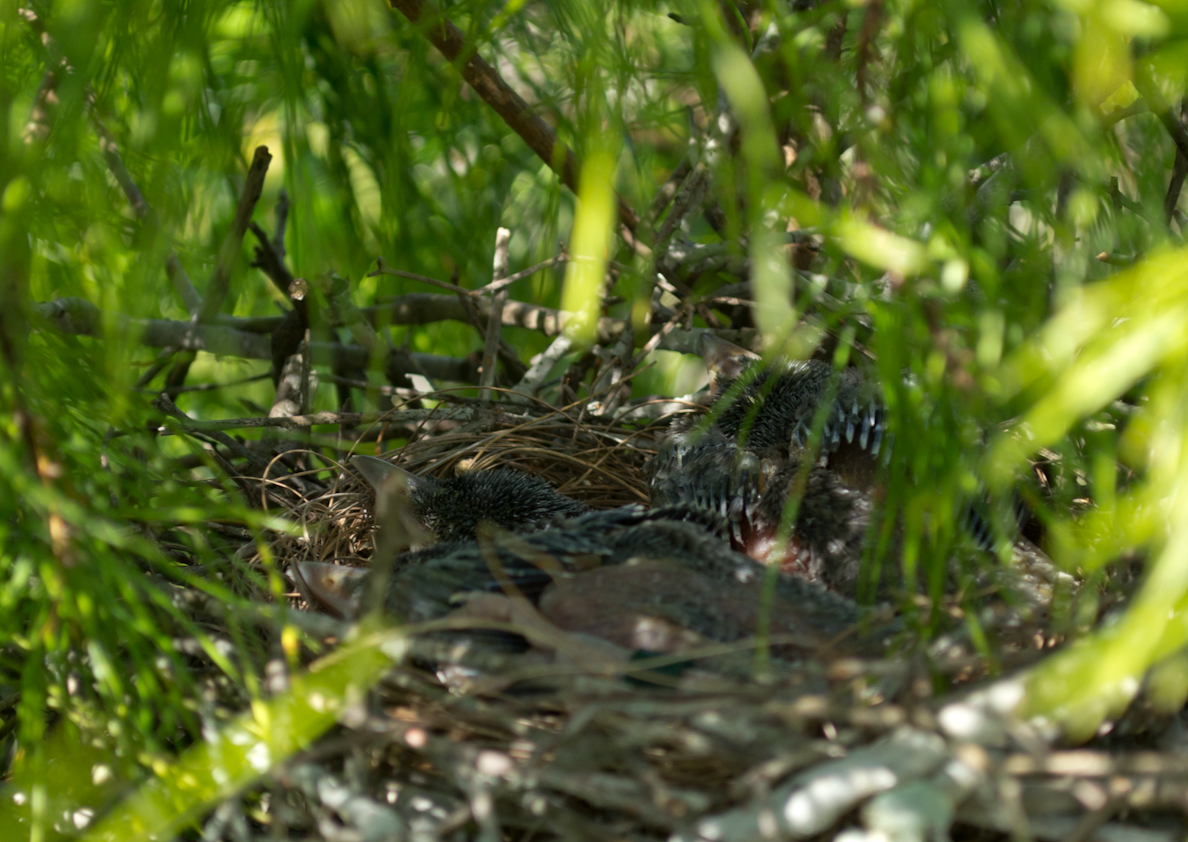
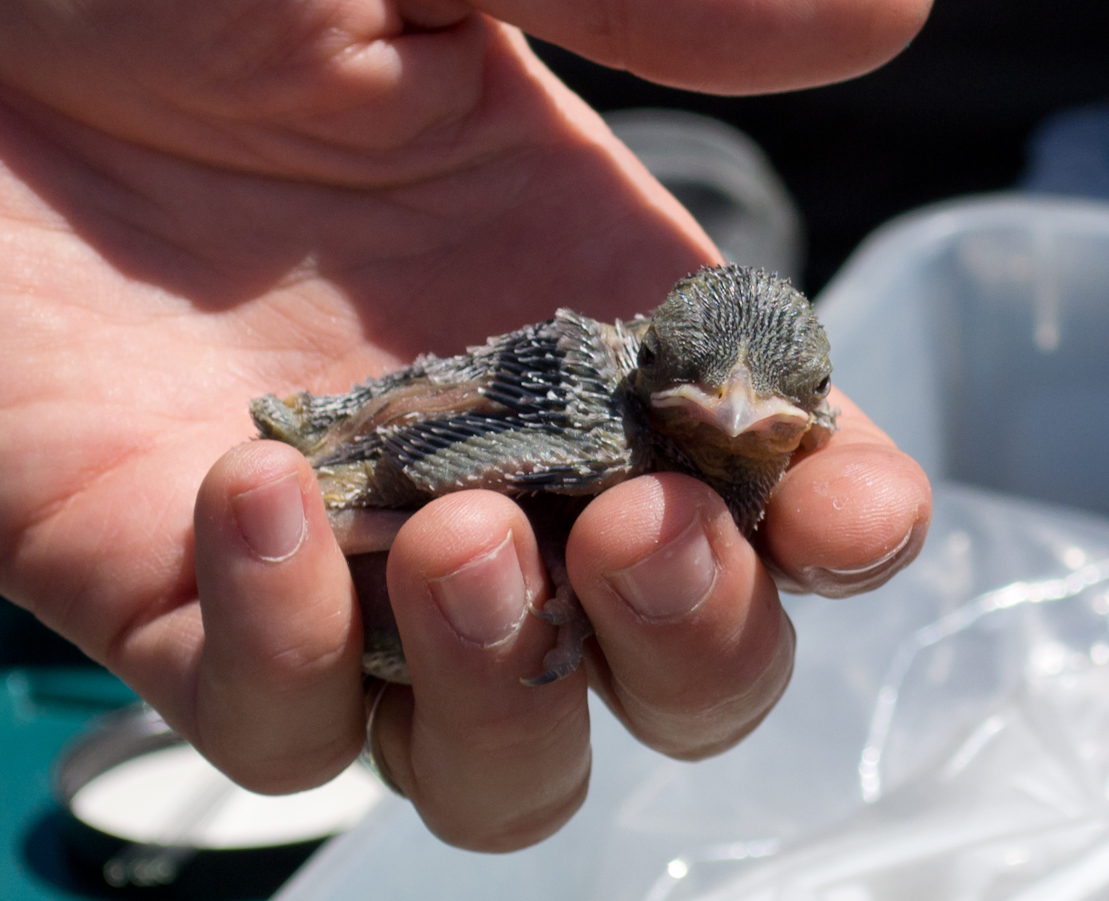
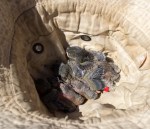
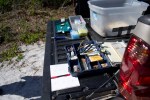
Baby Scrub Jays have a very hard life.  There are many things working against the little ones during the first few weeks after they hatch, but if they reach the age of 11 days, they get a visit from some very well meaning and devoted researchers.  First, the babies are carefully taken out of their nest, under the ever watchful eyes of their parents, and brought the short distance to the mobile banding station (i.e. a bed of a truck).

DSC_2575 DSC_2572DSC_2593

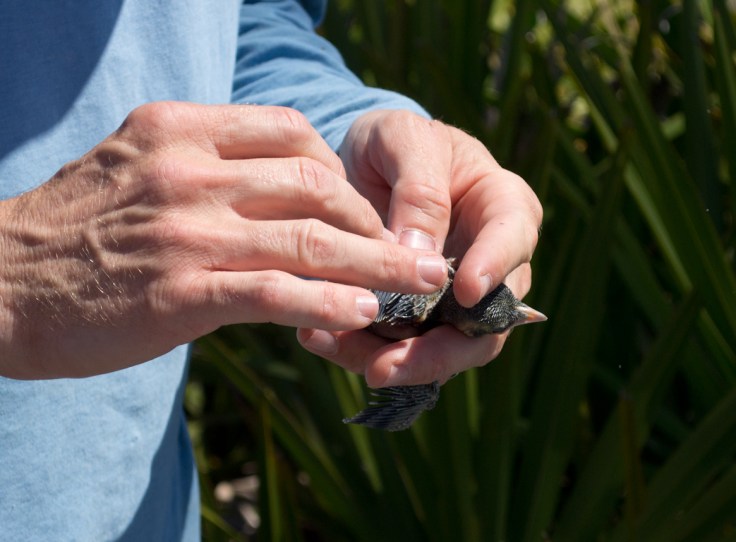
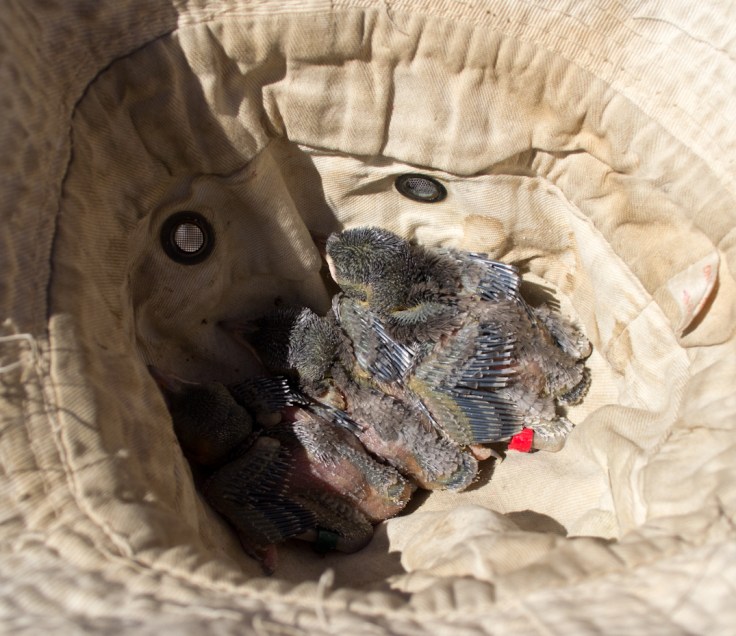
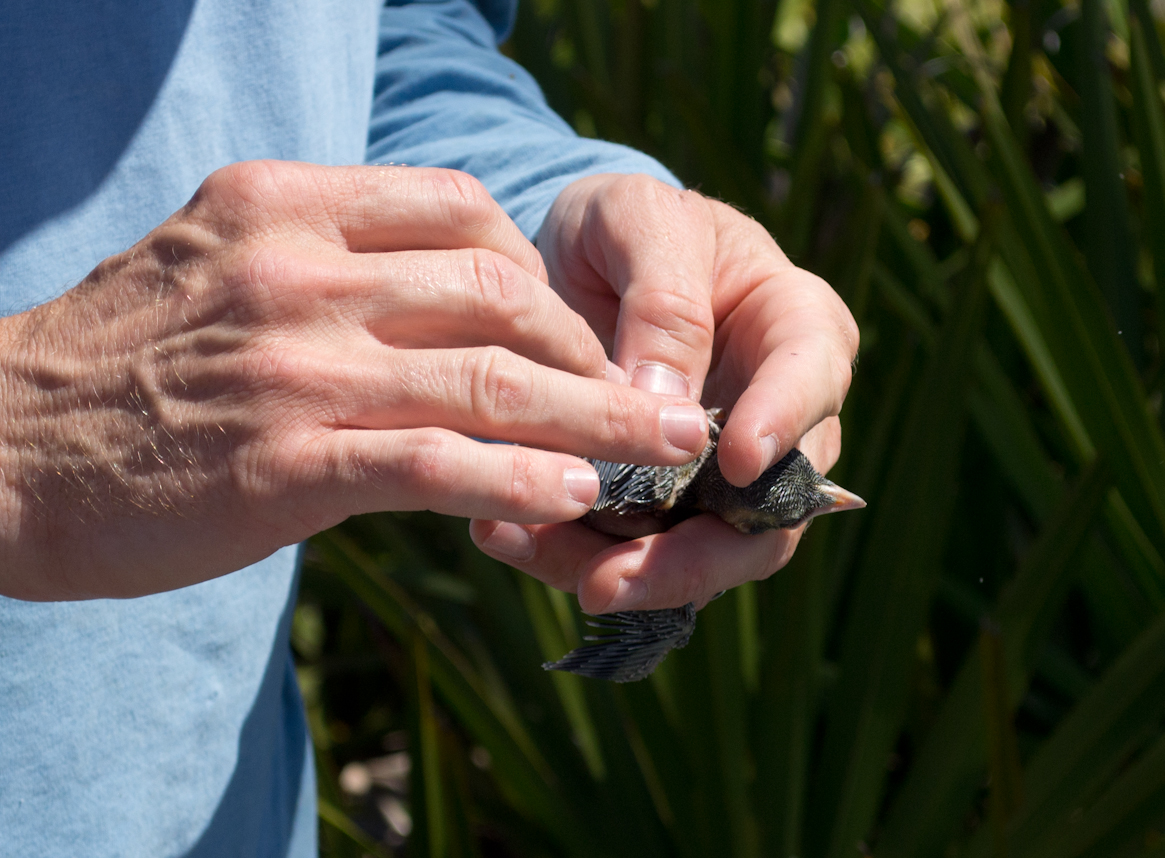
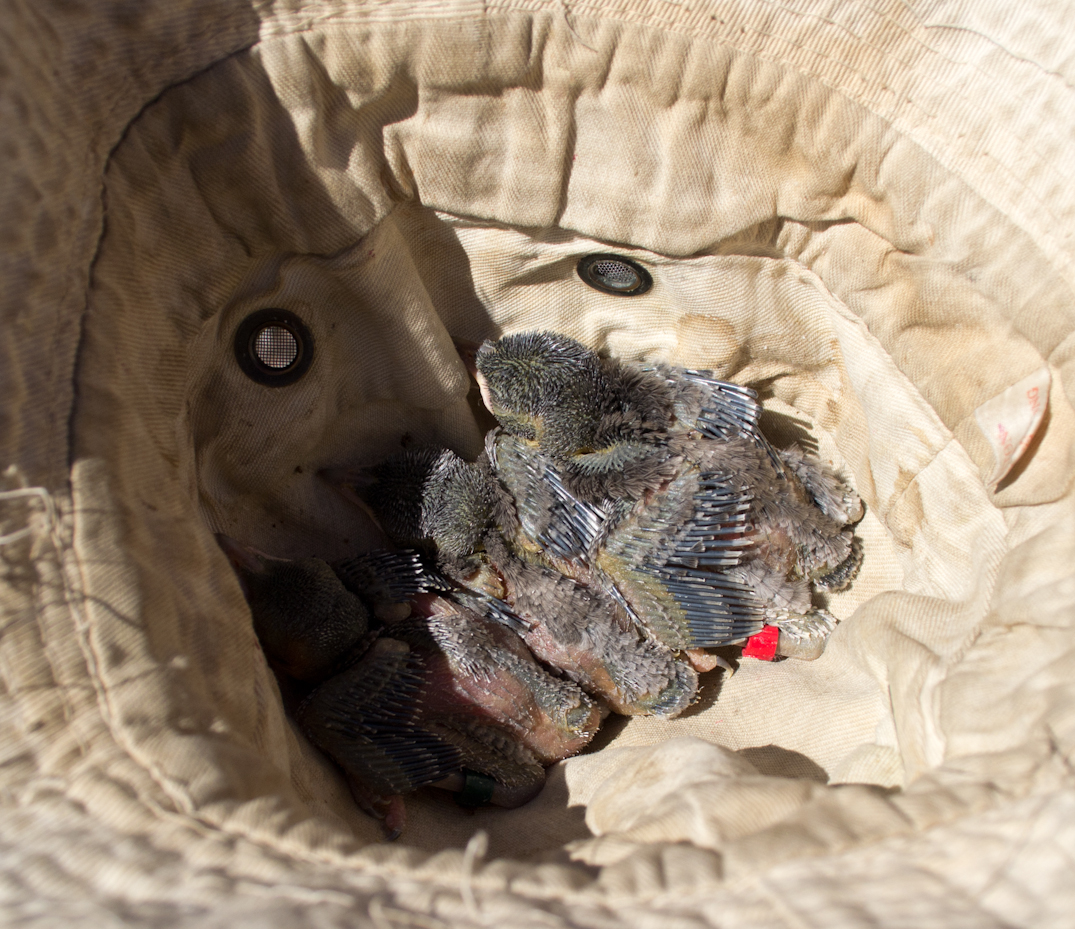
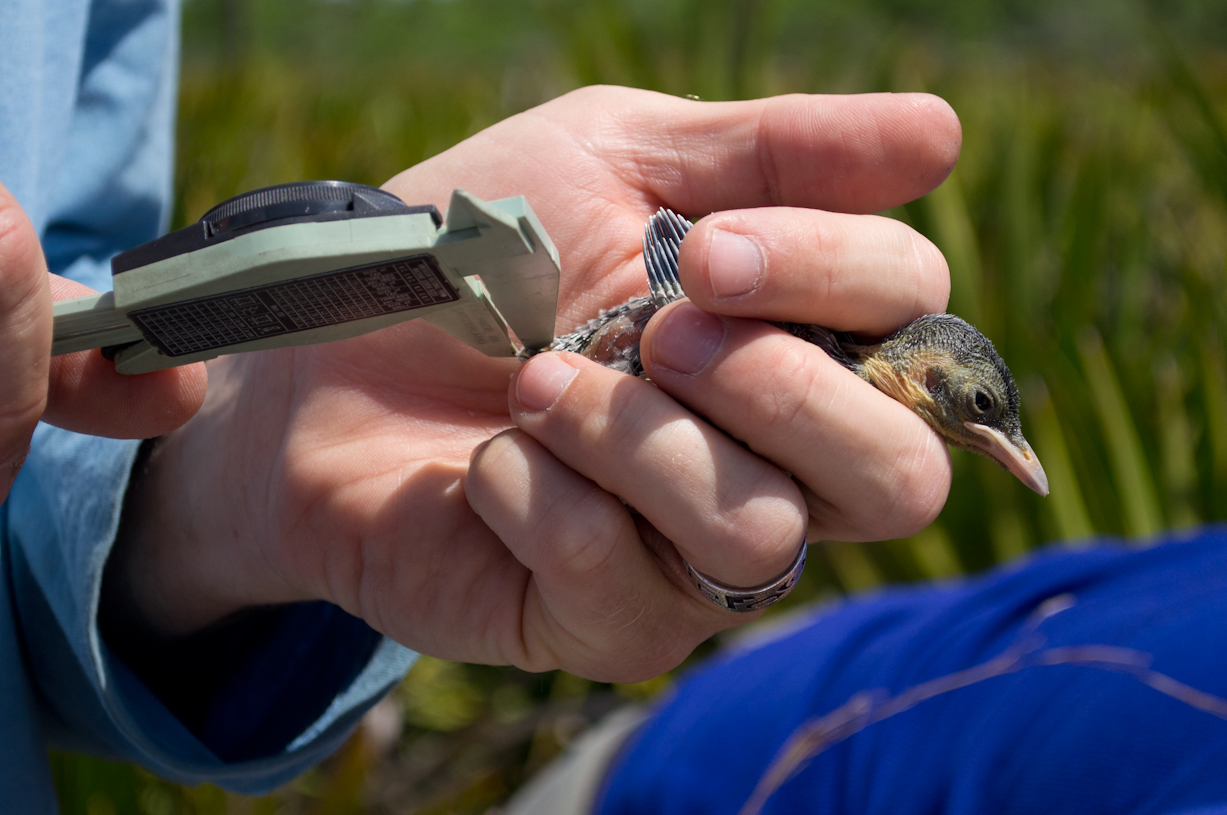
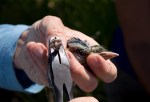
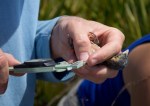
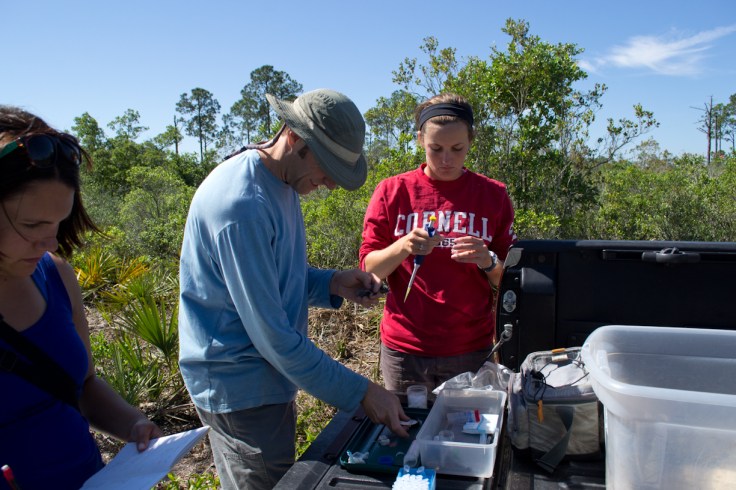
Next, the researchers go into a well scripted dance of measurements on the biggest baby, while the other chicks chill in shade in their portable nest / hat.  Shane, the guy seen here handling the birds, starts by drawing a small amount of blood from just underneath the wing.  Some of this is processed in the lab to look at the health of the baby, and the rest is sent to the Cornell Lab of Ornithology, which then determines the sex of the baby.
DSC_2545DSC_2605 DSC_2571

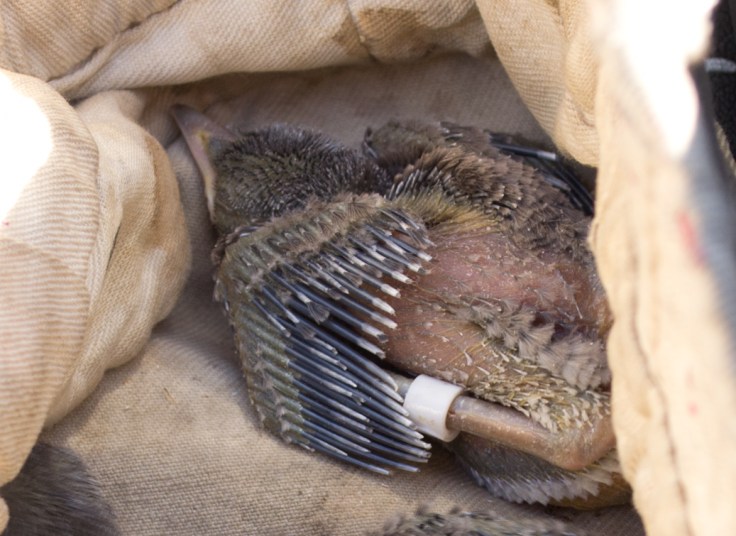
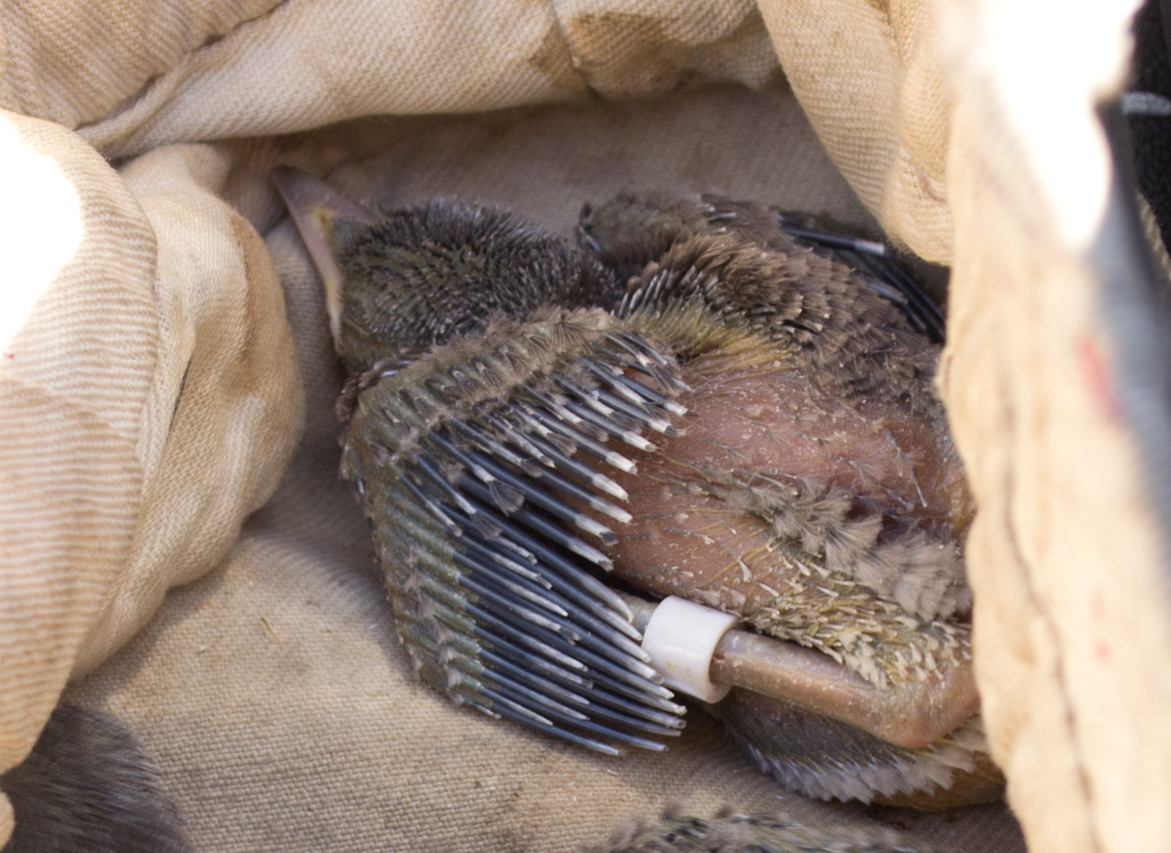
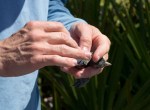
The birds then get banded with their unique metal and colored leg bracelets, carefully squeezed on with the skilled use of special pliers that only allow the bands to be set loose enough so that they won’t bother the birds as they grow older.  If the birds survive for 75 days, they get another set of colored bands that are completely unique to each individual.
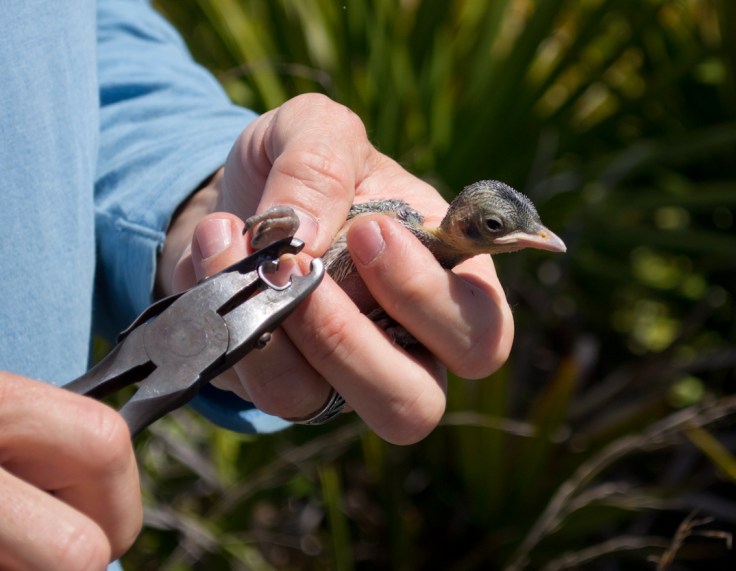
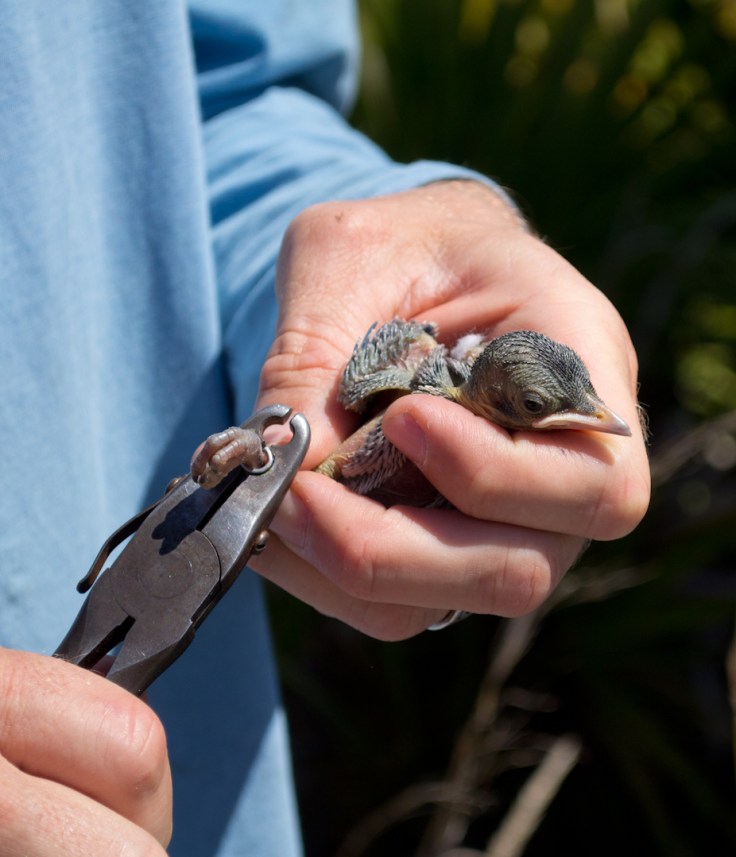
DSC_2613DSC_2609DSC_2551

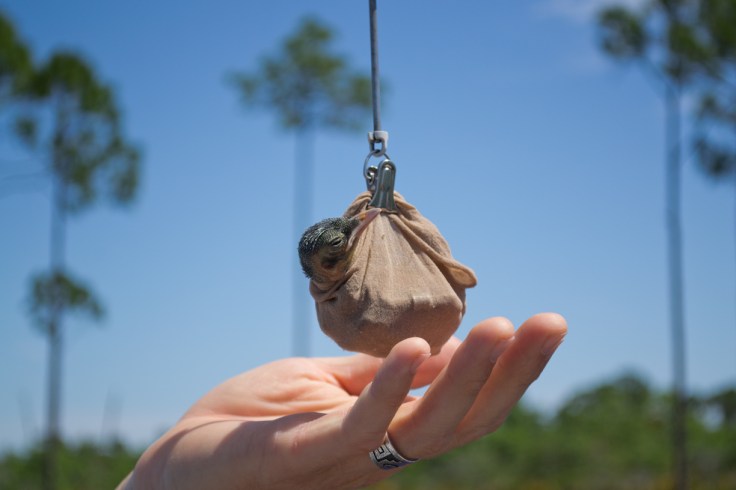
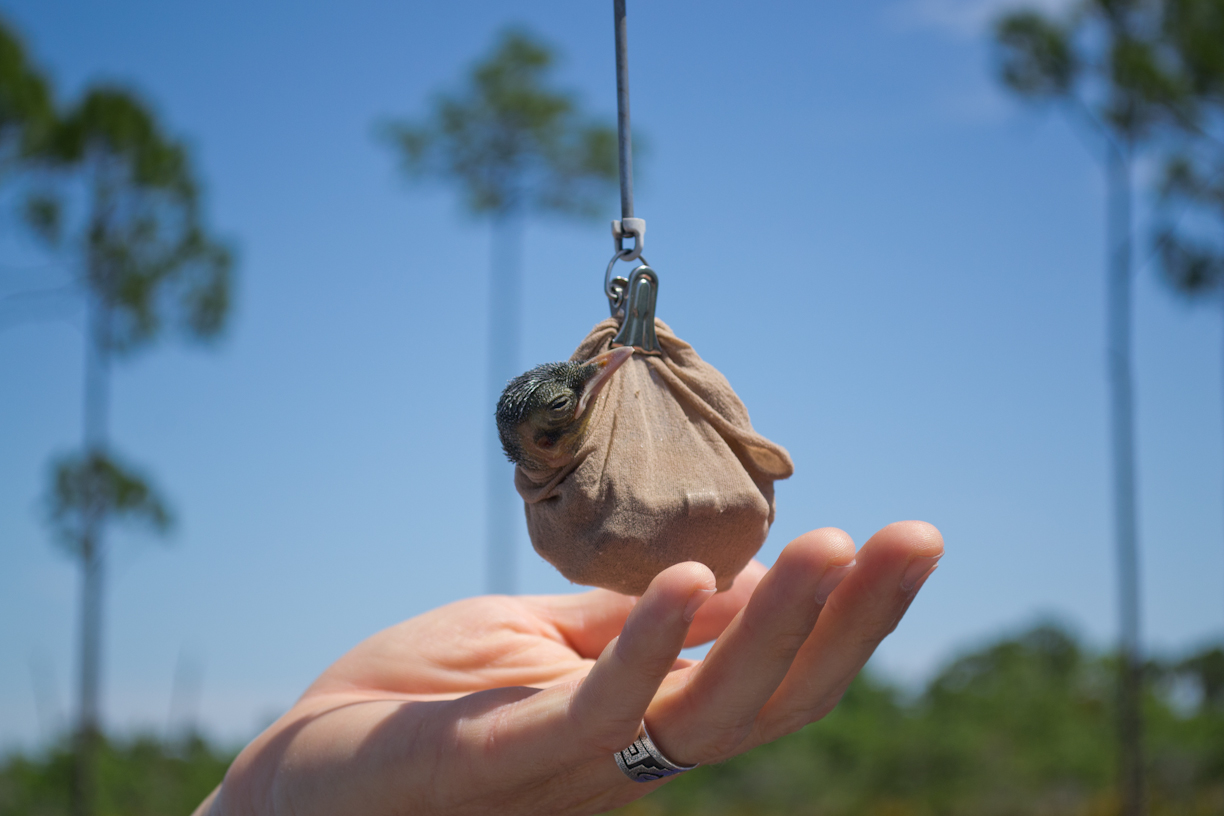
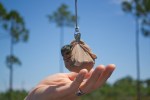
Shane then measures the length of a leg bone, a wing feather, and the tail.  The little bird also gets gently swaddled in a pantyhose (seriously, I’ve seen pantyhose used for so much science…) with the hose hammock clipped to a scale to get a weight.
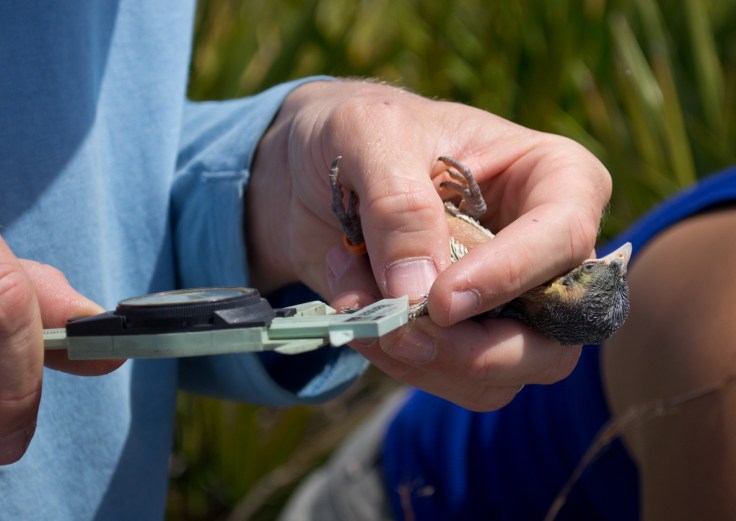
DSC_2618DSC_2620DSC_2567DSC_2622

After all this is done, the little ones are gently placed back in their nests, to be reunited with their ever watchful parents.

DSC_2612DSC_2635

More information on Florida Scrub Jays and the research that is being done at Archbold can be found here.

All monitoring, handling, and research associated with the Florida Scrub Jay at the Archbold Biological Station has been completed under the appropriate permits required to work with this federally threatened species.

Owesome Osprey!

DSC_2098I wish I could have seen this dude fishing (look closely and you can see a nice pink fillet in his claws).  I’ve seen it before, but it never ceases to amaze me.

Ospreys have the wonderful ability to hover before they dive.  Time stops mid flap, the head angles down, momentum creeps slowly downward, and then they let loose.  White and black combine into one streak of feathers, striking the water at an amazing speed.  Moments later, the head and wings reappear, and if the bird’s skill and luck pays off, there is a fish clasped tightly in the talons.  As he struggles to regain height and forward progress, he rotates the fish head first, holding the fish in the most aerodynamic way possible, reducing drag and making their flight with a cumbersome food idem easy.

Because ospreys are owesome.

How to Be an Invasive Exotic, Lygodium microphyllum Style

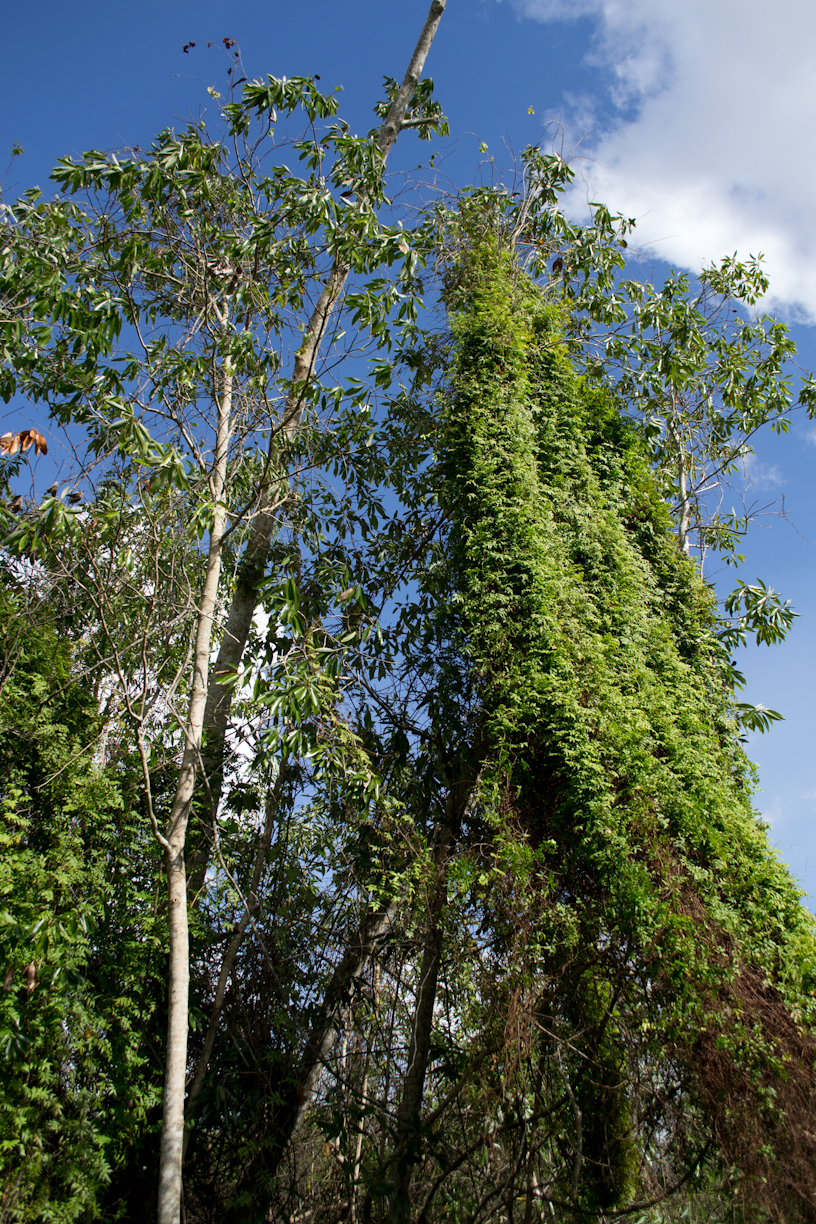
DSC_8736This is Old World climbing fern.  It is an invasive exotic plant, and this is what it does best.

Those trees on the left are what trees are supposed to look like, all tree shaped and growing normally.  Those trees on the right… wait, what’s that you say?  You can’t see the trees?  Oh yeah.  That’s because they are covered in strings upon strings of fern that are intently keen on smothering anything and everything on their way towards the light.

DSC_8705

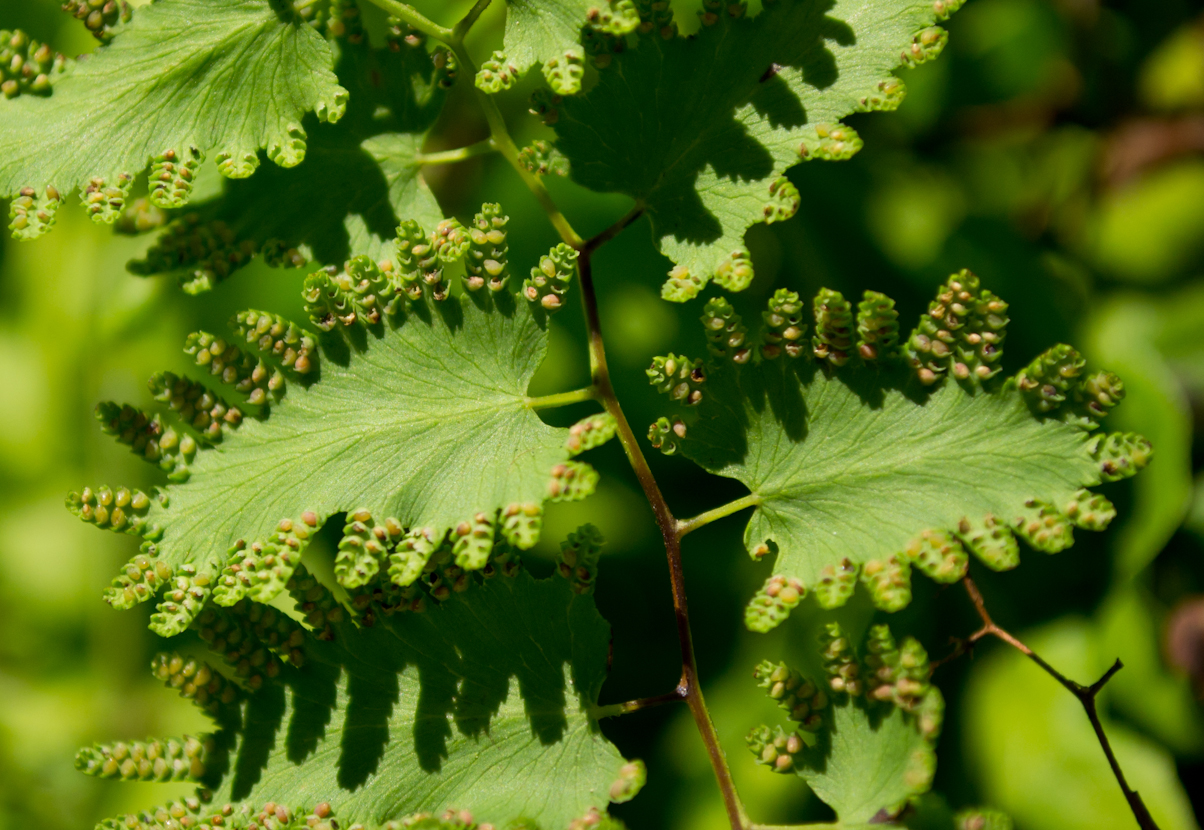
Lygodium microphyllum.  The life cycle of Lygodium is really neat.  It’s not from around here (hence the “exotic” part), and is really, really good at spreading (thus, “invasive”).  As a fern, it follows the typical “really likes wet areas” theme, and is complete with the cute little sorus collections on the underside of the fertile leaves that produce thousands upon thousands of spores.  Per leaf.  These spores, and the climbing nature of this particular fern, are what make it so prolific.  You can see the little dots in some of these pictures.  Those are the collections of things that contain the thousands of spores, not the spores themselves.

DSC_8711

Seeds?  Seeds?!  They don’t need no stinking seeds.  Want to reproduce?  Just throw a bunch of spores out to the wind, hope some land in a nice damp bayhead (and a lot of them do), then just jump through a few fancy growth stages, and continue your growth back up towards the light.  Not all of the leaves have these structures.  You can see the two leaf types in the pictures below, some are vegetative, but some are just waiting to release their children.  That means that when you pull at the vines to cut them, some times the spores get tossed to the breeze.

DSC_8709

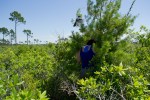
As this cycle of spore to vine is actually pretty quick, the plants unlucky enough to be the climbees, as opposed to the climbers, may not even have had time enough to die before being completely enveloped in fern.  Armed with herbicide, clippers, and soon a machete (to better grapple with the ever present blackberry bushes),  I have been tasked to go around and attempt to free these trees and kill as much climbing fern as possible to prevent further spread.  Our goal is to cut any vine that is taller than waist high, and herbicide everything below.

DSC_8729

It’s a giant pain in the ass.  I really want a dragon.  It would be sooooo much faster.

Giant Spider Invasion

DSC_1724Well, more like “Giants Invade  Really Big Spider’s Natural Habitat”.  I mean, even if you were a big burly guy with a lot of hairy arms, I bet you would want to defend your home by walking outside and looking as tough as possible too.

That’s what this Wolf Spider was doing when ventured out of its burrow for us curious scientists.  It didn’t want any trouble, just to protect its home.  With its crazy crazy face.   So many eyes!!!

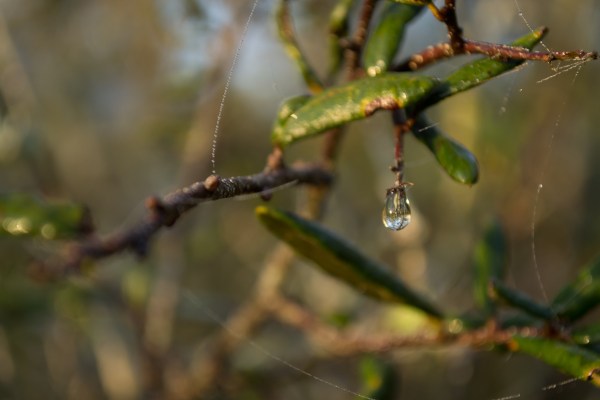
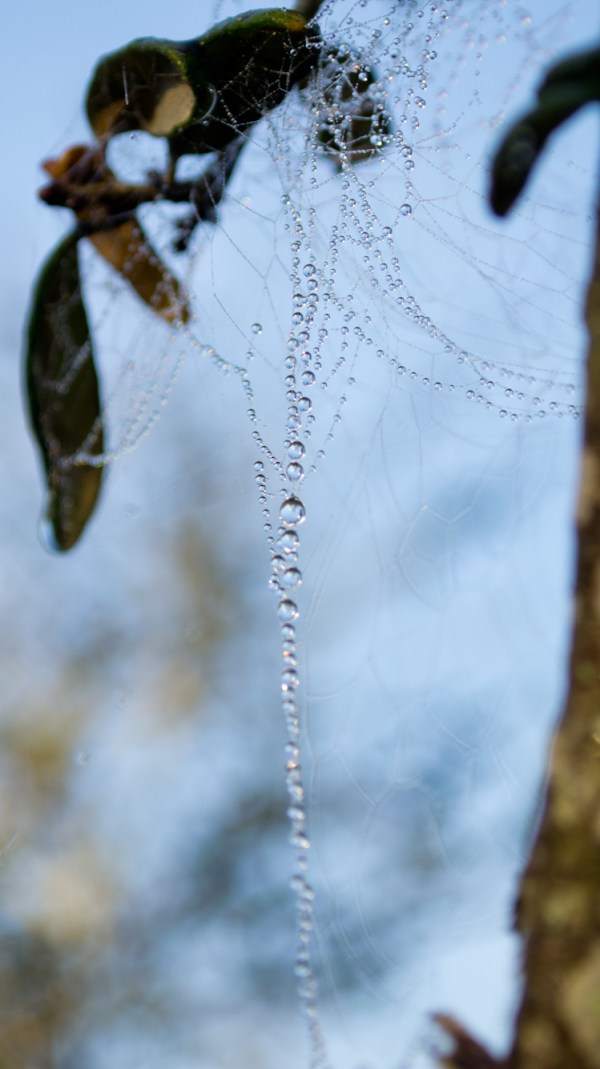
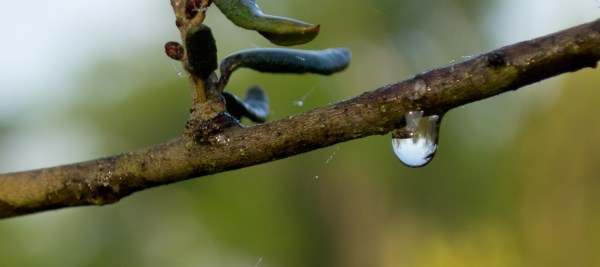
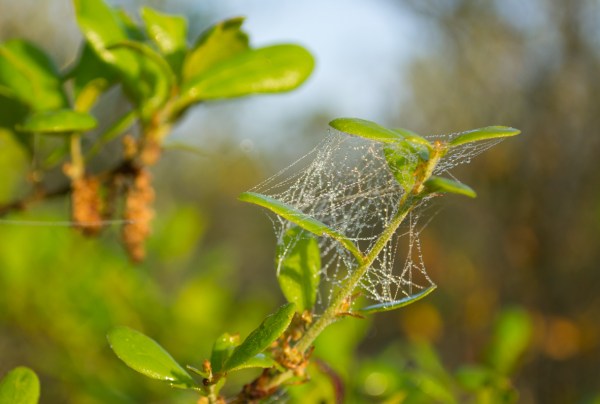
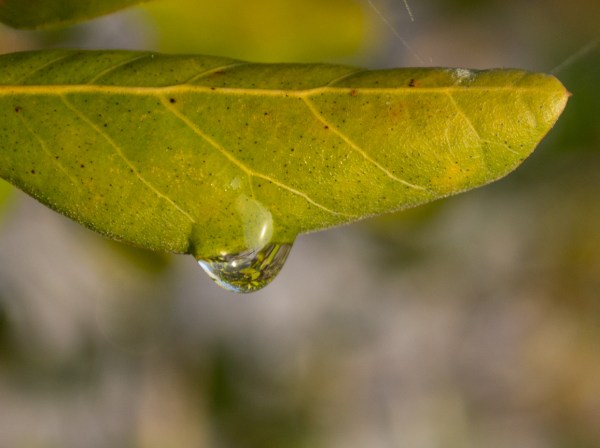
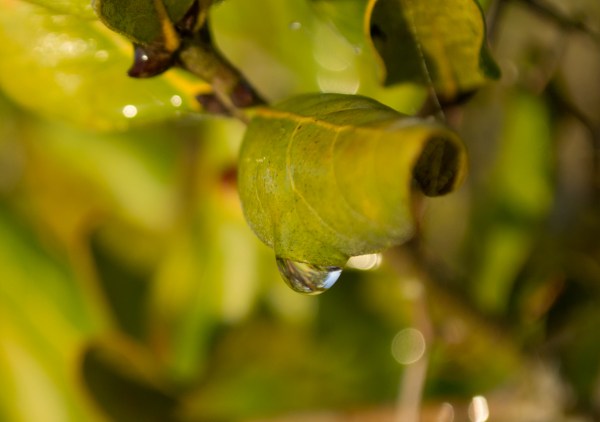
Terrible at Landscapes? Photograph Some Dew!

Wait, Slow Down. You Moved to Florida? And What’s this Archbold You Keep Mentioning?

DSC_8391Dear friends and family all around the world –

I’ve posted pictures and random snippets of stories during this, what was my first month and a half at the Archbold Biological Station in Venus, Florida, on this blog and on other social media. But what, you may ask, actually goes on here? Where is “here”? And what’s this “Archbold Biological Station” all about, anyway?

Well, I’ll tell you. Or, as per usual, I’ll show you.

Right, so… Florida?

DSC_8410

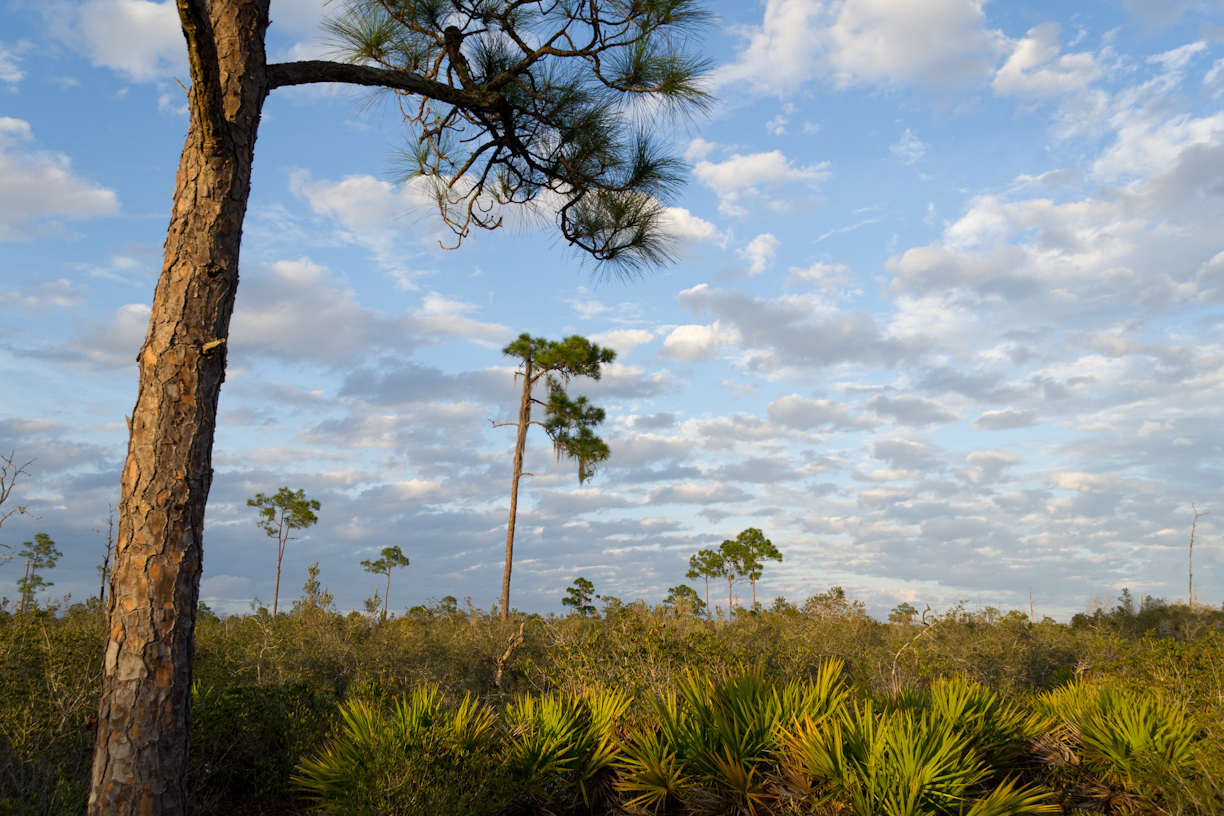
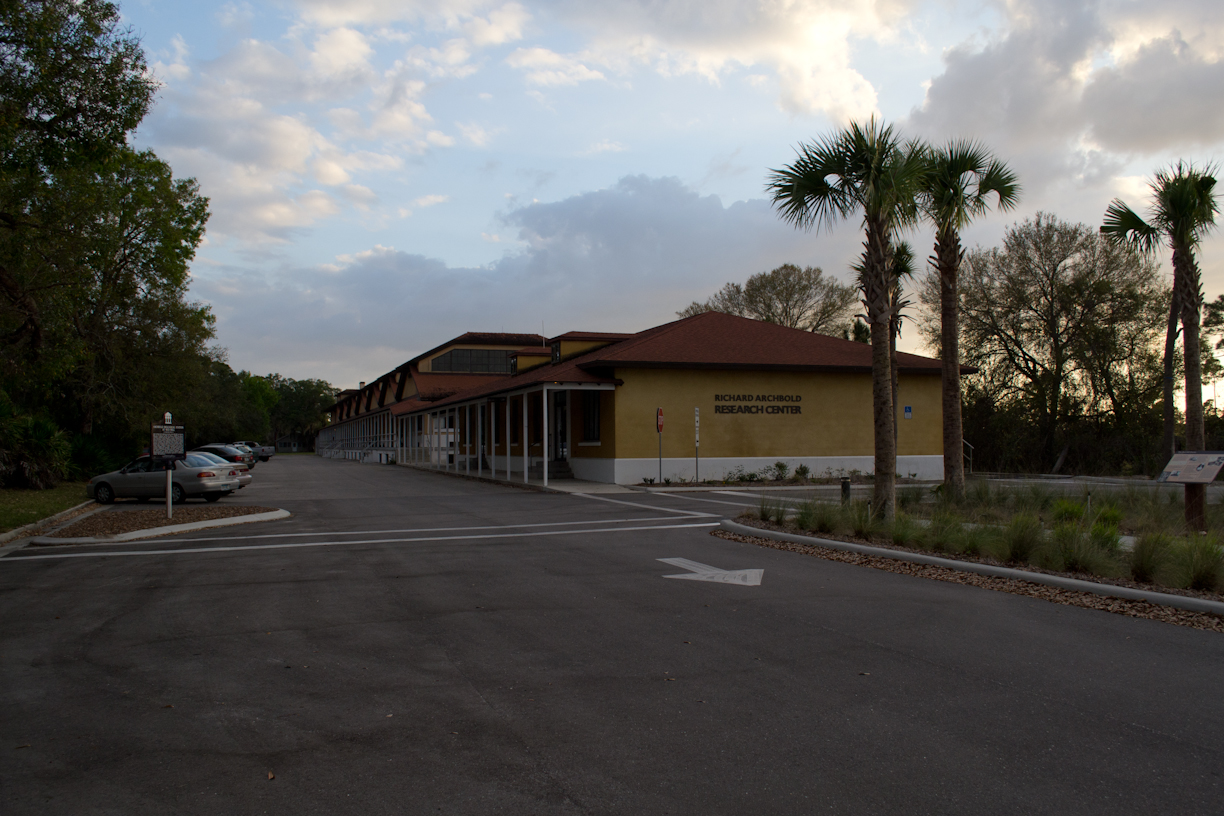
Yep.  I’ve swapped America’s Dairy Land for the Sunshine State.  This is the Venus, located in the middle of orange grove and cattle country Central Florida.  The Archbold Biological Station itself consists of roughly 9,000 acres of scrub and ranch land with a colorful history involving great and powerful oil tycoons, intrepid world adventurers, and finally us humble scientists.  The Station has a great mix of people from all over the US and the world, with a diverse range of interests, skill sets and backgrounds, all coming together to study the habitats unique to this patch of Florida.

DSC_8294

DSC_8297

So that’s where I am, but what makes Archbold special?

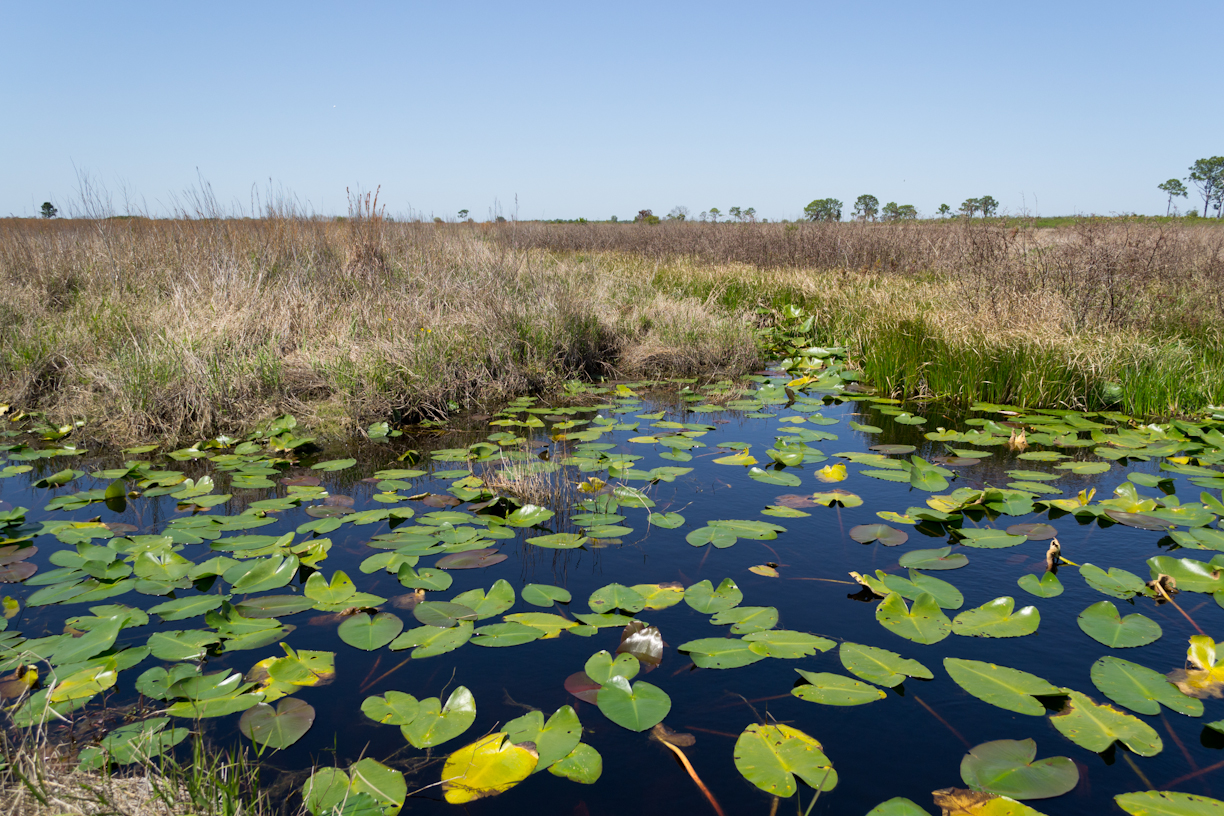
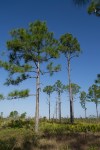
The Lake Wales Ridge, on which the Station sits, forms a  backbone of “higher” elevation running north to south down the middle of the peninsula.  In the long ago past when ocean levels were higher, this ridge was  the only part of the state that was above sea level.  Consequently, islands of isolated habitats were formed that maintained their uniqueness once the oceans receded to their current levels.  These rare natural areas are home to plants and animals found in very few, or no other, places on Earth.

DSC_8891

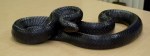
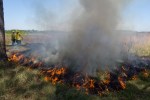
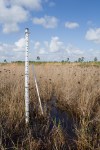
The main labs at Archbold (Bird, Plant, Herp / Restoration Ecology, and Bug, to keep things simple) each study different, but overlapping, aspects of the Lake Wales Ridge.  As a terrible oversimplification, here’s what people work on.

Florida Scrub Jays –

DSC_8670

Plants and habitats (there’s a lot of different projects in the Plant lab…) –

DSC_8228

DSC_8934

DSC_8269

DSC_8243

DSC_8387

DSC_8235

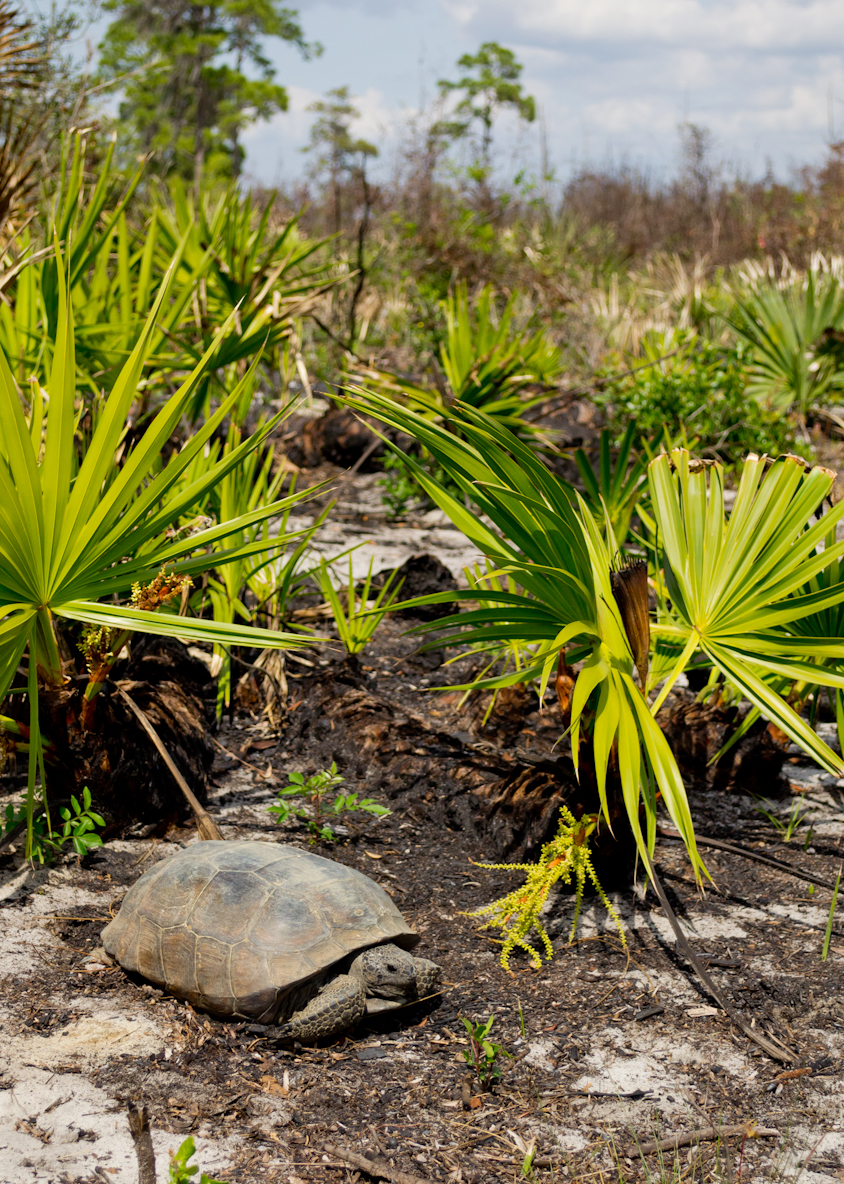
Gopher Tortoises –

DSC_8868

Indigo Snakes –

DSC_8818

Fire Management –

DSC_0993

Invasive Species –

DSC_8736

Seasonal Ponds –

DSC_8270

Restored Wetlands –

DSC_0449

Grazing –

DSC_1109

Arthropods –

DSC_9269

And much, much more.

So, that skipped a lot (such as, what’s my place in all this?)… which is OK!  There’s tons more information about Archbold at this website – http://www.archbold-station.org/ – and I’ll be writing more about each of these projects as I continue always to learn from others.  That’s all for now, as it’s Saturday, and verging on my nap time.  Holy crap I love not being in school.

Blog at WordPress.com.

Up ↑

Cedar to Hyssop

Reflections on adventures from Africa to Alaska

Artist Daniel Mackie, Artist behind The DM Collection

Exploring the animal kingdom from the perspective of art, folklore and mythology

Let's Paint Nature!

Christine's Sketchbook

Hanna Hasse Lilja

Swedish skull art

Civic Leaders Center

Located in Briscoe at Indiana University, the IU Civic Leaders Living-Learning Center is comprised of diverse students dedicated to leading for the greater good.

Little Nashushí

My Adventures in the Pacific Northwest

The Scrub Blog

Nature and Science from Florida's Heartland

this is... The Neighborhood

the Story within the Story

Nita Eats

savoring life bite x bite

MesAyah

Melodic hiphop meets deep reflections about life and death

Frank J Casella Photo Blog

Sharing photos and thoughts about hope and God's love in the world.

My Food And Flowers

Two of the Great Joys in Life!

A Good Blog is Hard to Find

I will shatter a word and scatter the contents into the wind to share it with the world.

Bucket List Publications

Indulge- Travel, Adventure, & New Experiences

stuart allan hyde

PHOTOGRAPHY