
It’s amazing the difference a night will make.
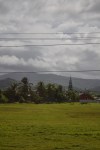
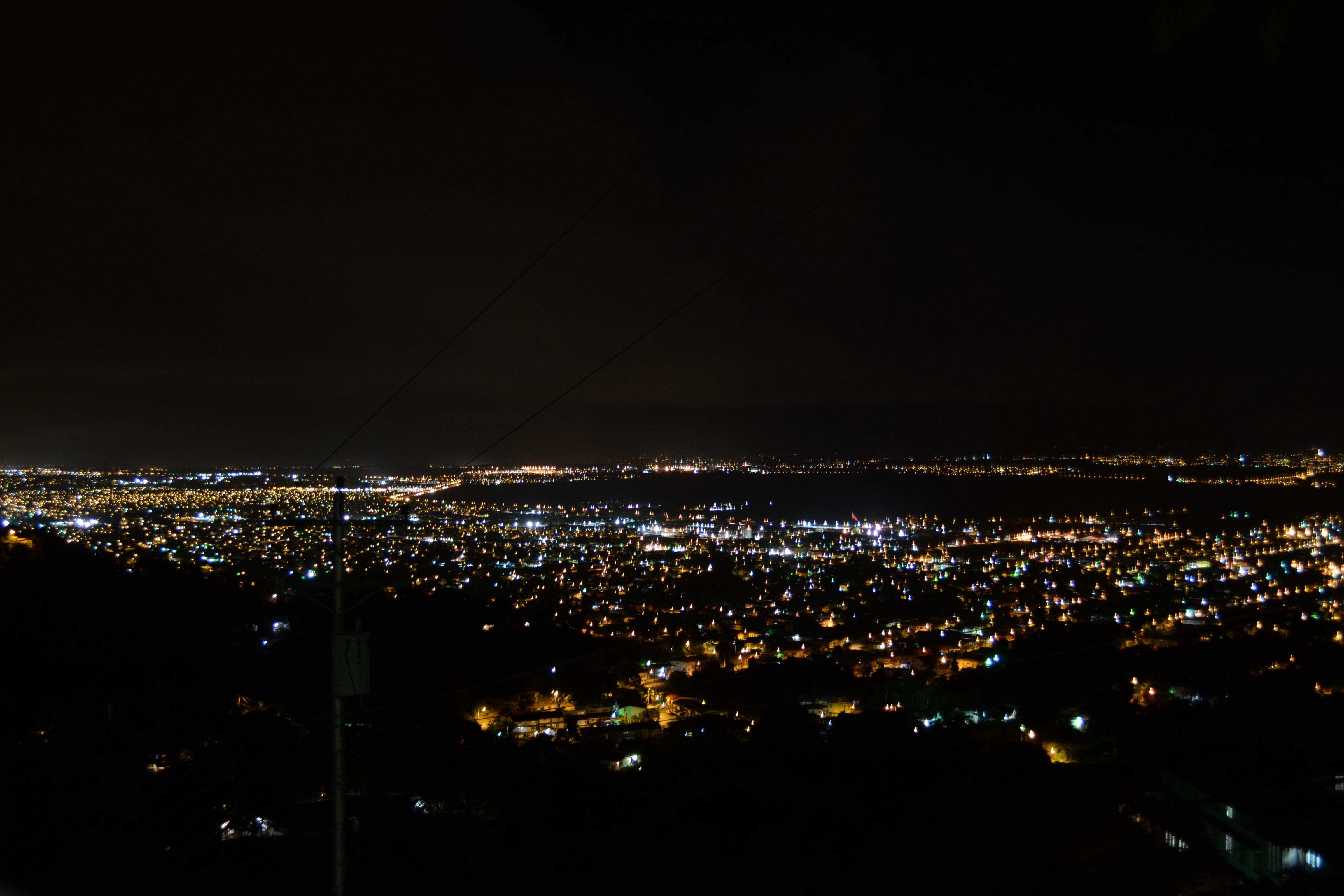
After the evening rain cooled the morning and the sun poked its head above the hills, our imaginings of the day before came to life. The rooms we stayed in were on the second floor of Pax, affording us an even more spectacular view of our mountain home. The nebulous of stars and lights that greeted us the night before had turned into what you see above, a palm tree laden paradise as far as the eye could see. Although it might not seem a paradise to you, there is after all no beach in sight, I saw it (and still see it) as such. For an example why, here’s the story of the rest of that first day.
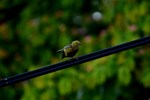
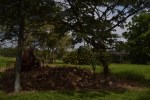
When you wake up in a new place after having arrived during the night, the next morning is always an interesting experience. Although we had already spent the night there, everything I saw was fresh. Pax lived up to its description. Its colonial feel, view of both the mountain green to the back and the city blue to the front, and service that can only be described as “Radar-like”, made us all truly feel at home. Breakfast was relaxed and scrumptious, with the students straggling in as they woke up. Our illustrious professor, Dr. Steve Hallett, was one of the last down (this will become a theme…). Breakfast was served to us by a wonderful woman, who had a kindness that matched the mood of the morning. We had toast, eggs, and (most importantly) fresh fruit and fruit juice, all of which was enjoyed in front of birds zipping around between avacado trees, lizards running up and down the trunks, and a wind lifting the sounds up from the city and down from the mountains. One flit of the bright yellow tail with steel blue eyes of a crested oropendola hinted at the wonders yet to be seen (click on the wonders below to see them in a slideshow).
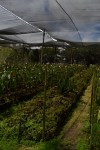
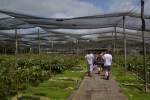
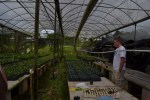
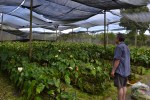
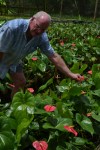
Eric pulled up to the driveway right on time in the red and white bus we’d really get to know in those two weeks. Everyone piled in, me with my bright orange bag of medical supplies and muted blue bag of camera supplies (both equally important, but one used thankfully far more than the other). Our first official learning trip was to one of the last remaining anthurium farms in Trinidad. Being an island nation with natural gas and oil reserves, farming is not top on the list of governmental funding in Trinidad and Tobago. This particular farm was started by a Canadian family to take advantage of currency control which allowed freer trade between T&T Dollars and other foreign markets. The output of the farm was more than the local market could accommodate, with a breeding program that backcrossed Dutch varieties with local jungle pinks and reds.
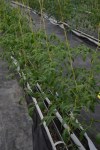
This program, conducted in conjunction with the University of the West Indies, worked to breed against the bacterial wilt that plagued naturally grown anthuriums and allowed the Flying Dutchmen (an obviously European horticulture company…) to outproduce most other nations with their greenhouse grown flowers. Unfortunately, these rare and small tropical farms are not competitive with the large international corporations, what with the increasing rarity of the coconut husks used for the bedding of this semi-epiphyte and the propensity for disease transmission through slipping knives, so Hugh and his family have been transitioning into hydroponic tomato production. In the next few years, his farm, any many like his, will have completely moved away from anthurium production, despite the impressive 2 million stems and 12,000 new varieties they produced in the farms heyday. Well anyway, the family was wonderful (a set of talkative transplants that have made their home on this island nation), and it was a good first adventure into the economy of the nation.






Ok, so I’m long winded. Who knew. This is what I get for taking detailed notes! I’ll finish this story tomorrow, so get ready for capuchins, coconuts, and climbing!














 what Was, what Is, and what Will Be