From the sounds, to the smells, to the feel of the wind, mornings are different when it’s raining. As it often happens in the Tropics, it was raining that morning, which meant less birding but more subdued chatting with the muted din of the downpour in the background. After our night of Penultimate Frisbee, food, and post-dinner card playing merriment, I was happy to see that all the students looked tired but alive, and each eventually made it down to breakfast. It’s always a good start to the day on a study abroad when your morning head count confirms that you haven’t managed to loose any students during the night and that the only things broken were a few pint glasses.
Our plans for the day were to go to a beach and to a swamp. Despite the weather and the dubious looks from the students that expressed questions such “as are we really going to the beach while it’s raining?” and “who goes to swamps anyway”, we made our way down to the bus and headed up and around the mountains. Trinidad’s Northern Range runs east to west along the majority of the top of the island, separating the heavily populated corridor that is between Port of Spain and Arima with the northern coast and the Caribbean Sea.
Interestingly enough, a number of roads in this area were developed in part due to the cooperation between the United States and Great Britain during World War II. The “Destroyers for Bases Agreement” signed in 1940 facilitated the exchange of UK controlled land for American warships to aid in the war effort. In Trinidad (which was still a crown colony until 1962), this led to the construction of two US Army Air Force bases and a number of Navy stations along the northern coast line. The roads we traveled on that day were in part an effort to connect the Air Force and Navy installations on the island. This may be trivial to most, but I was struck by the influence the rest of the contemporary world had on this seemingly distant island, slave trade and colonization aside.
I’m glad those roads were in fairly good shape, because those mountains were beautiful but windy. I thought we had gone through some interesting switchbacks to get to Pax, but this drive was even more spectacular with cliff faces to once side and the sea to the other. Each turn brought us above another cove cut into the coast, all filled with golden sand and olive green trees. We glimpsed our destination of Maracas Bay before we got there, giving us a chance to anticipate the beach, set back deep into the coast and protected from the strong currents that plagues many of the other northern beaches.
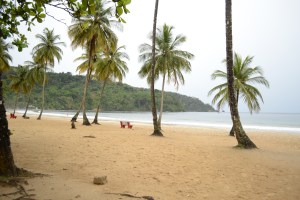
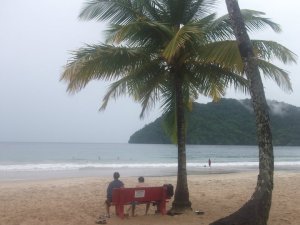
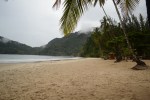
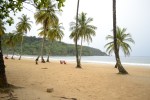
We finally got down to the sand and surf, and it was still drizzling slightly. Fortunately, that meant that the beach was completely empty except for us whities. We donned our ever needed sun tan lotion just in case the sun decided to shoot its rays through the clouds (it did, this day was the start of some persistent sunburns) and headed straight in. I’ve been lucky enough to swim, or at least wade into (the North Sea is damn cold), two oceans and two seas throughout my travels, and my second jaunt into the Caribbean lived up to its reputation of being bath temperature warm, so salty that you hardly have to work to float, and so beautiful that you don’t ever actually want to get out.
Everyone spent a long time swimming, bobbing with the waves, and body surfing (who needs a board when you’ve got prefect surf that takes you from a few hundred yards out right to the sand with only a few well timed strokes?), and then it was time for some Penultimate Beach Frisbee. Same rules, same players, more epic and gratuitous water layouts for the disc.
After we had had our fun in the (still not any) sun, we headed to the food vendors that contribute to this world famous beach for some lunch which included Bake and Shark. Instead of writing more (I’m proud of you already for having stuck around to get to this point in the post), I’ll attach a video here so you can see what it is, as we were too busy eating it to take any pictures. Although I did try a bite of it, I had the veggie version which substituted the deep fried shark for cheese, but still wrapped in the fry bread with access to the choose your own adventure of condiments available at the stand. Really good…
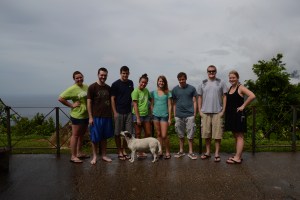
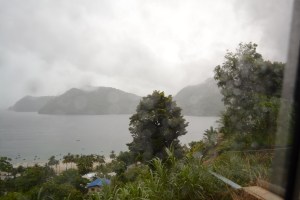
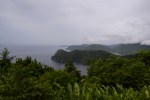
The drive back through the mountains provided the views you see here. Unfortunately, the candy and food stands that normally were at the scenic overlook we stopped at weren’t there that day (can’t imagine why, the rain had just cleared when we got there and it was still fairly cloudy), but we got to walk around and take in the stunning topography of the Northern Range. The group picture is missing two students (Chase and Nathan) as well as our fearless leader, but from left to right the students are as follows – Abby, Chris, Josh, Brittaney, Kloe, Joe, Derek, and Chelsea. I don’t know the name of the friendly pup.
Next, on to our first swamp tour. But first, group nap!
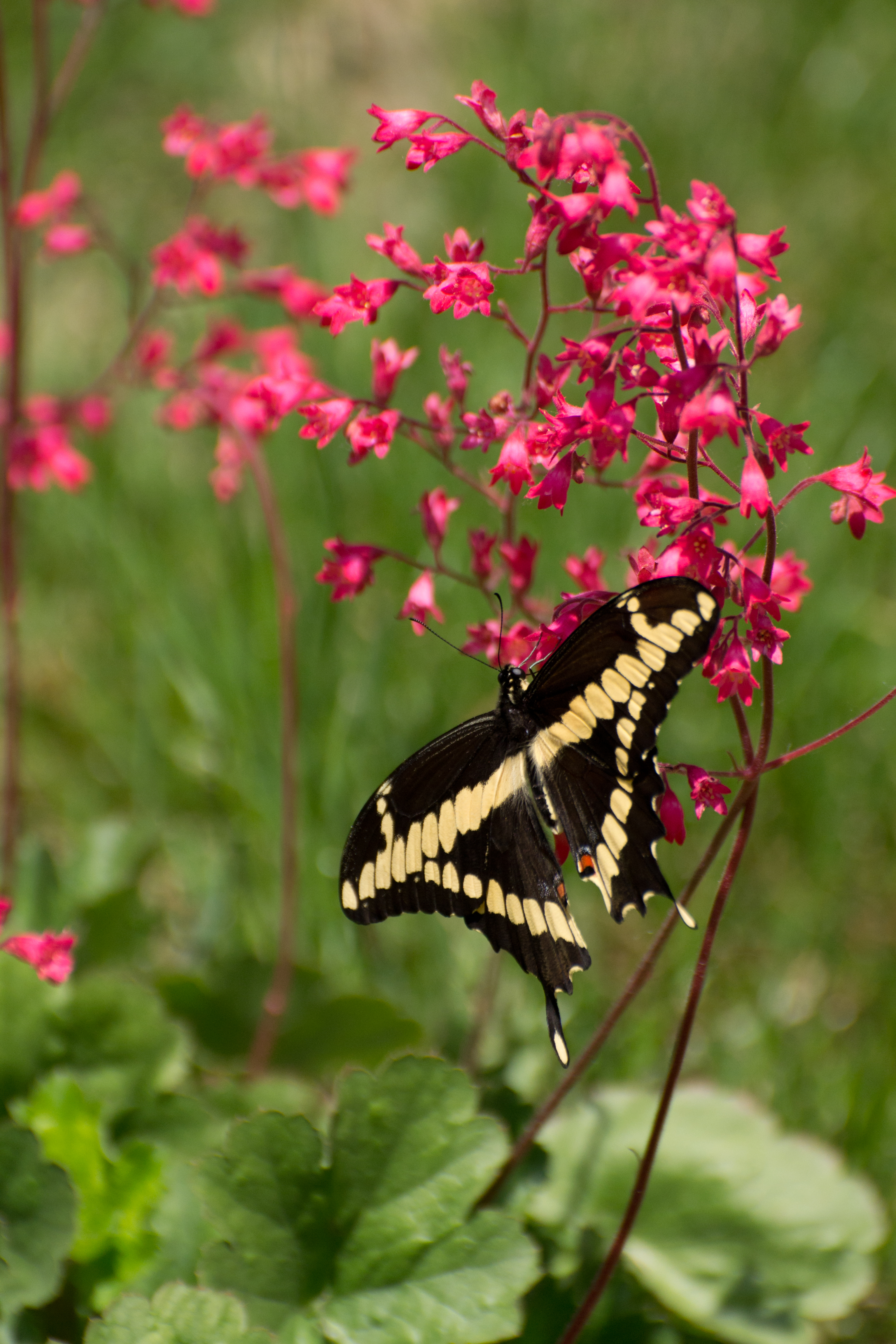
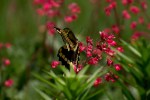
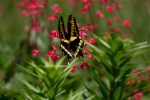




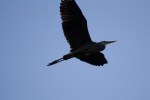

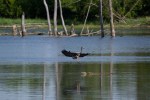


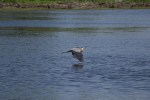










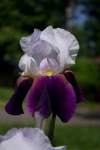
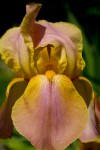
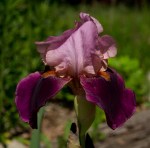


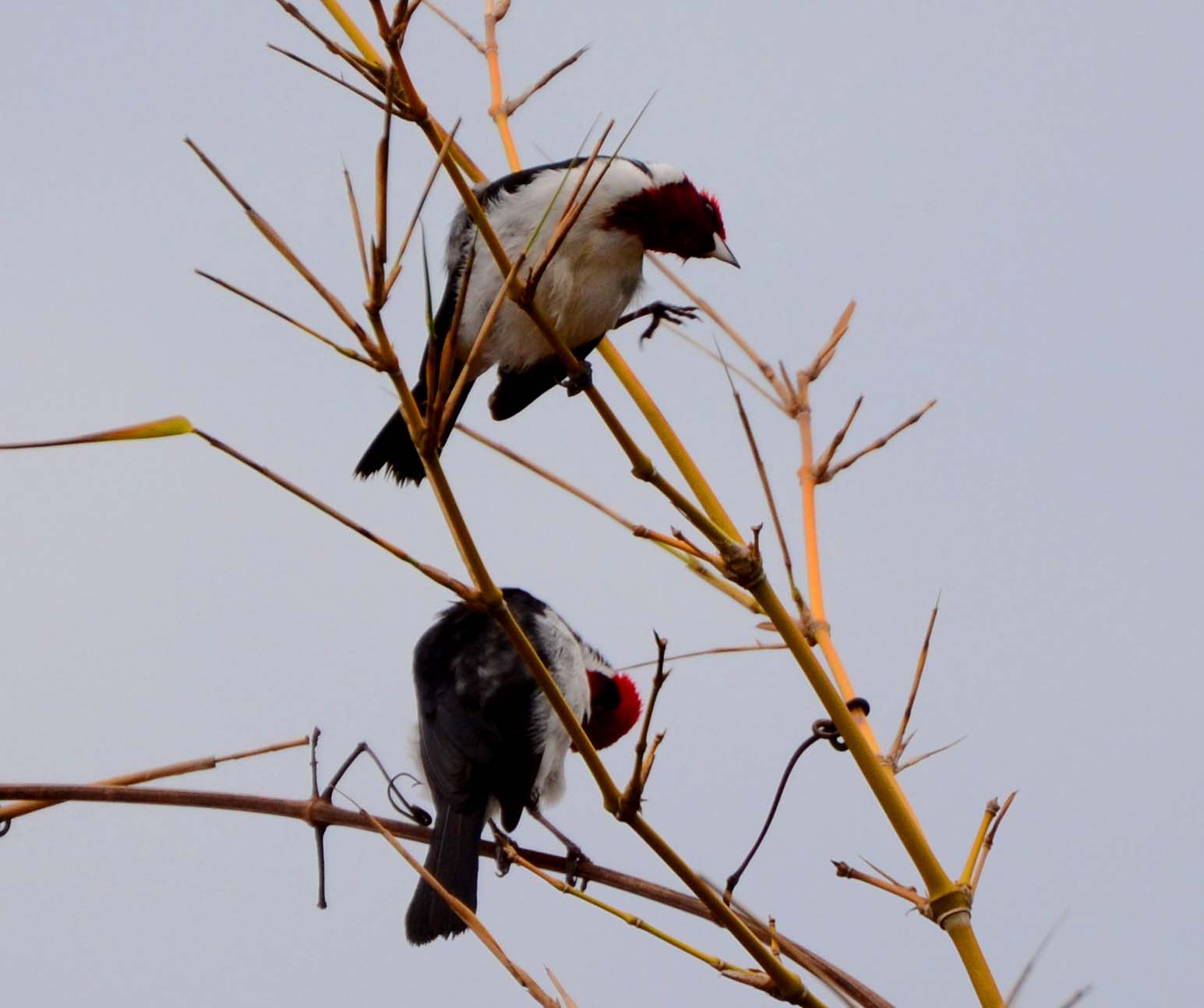


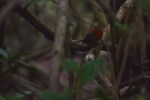
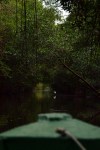
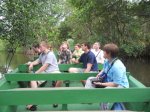
 After we’d spent quite a bit of time sitting quietly so as to watch but not disturb the nature, we gently made our way back to the dock and then again back to Pax, hopefully with a different view of what the mystical “swamps” are all about.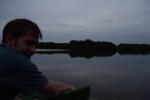










 what Was, what Is, and what Will Be