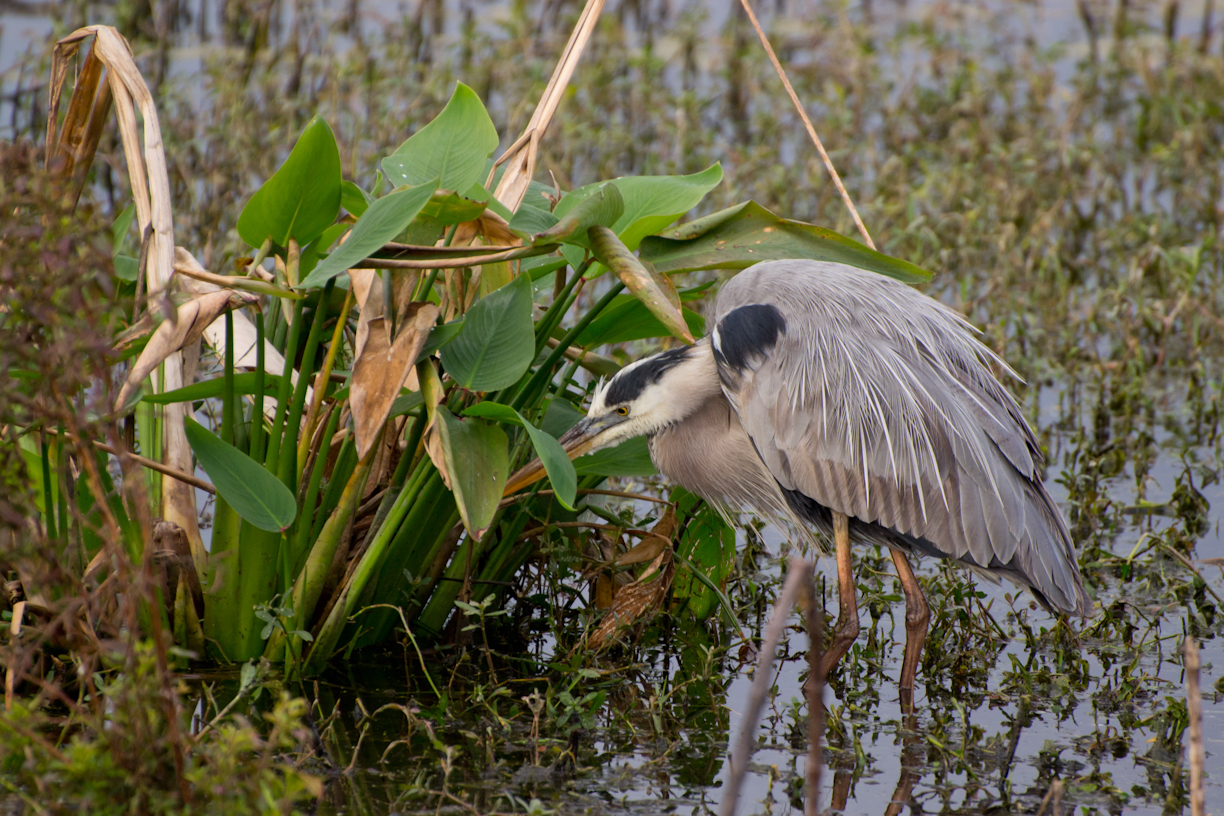
 Florida has so many birds! And so many of them like water! Excited to see more of them this weekend! Woooo!


Florida has so many birds! And so many of them like water! Excited to see more of them this weekend! Woooo!
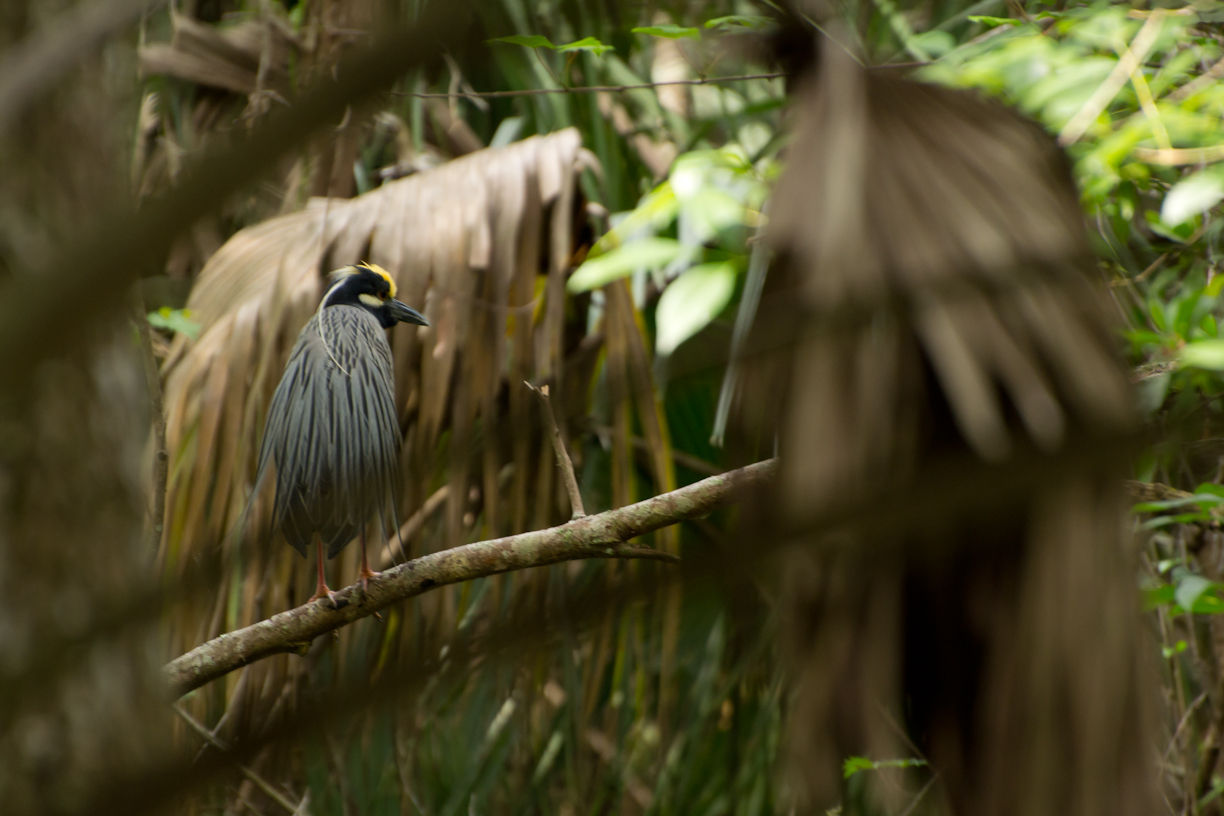 It’s amazing how much you miss seeing when you walk around in the outsides. Whether you spot the myriads of birds, beasts, and bugs that are just off your carefully built trail or not, chances are they spot you. I always enjoy finding something flitting around in the forest, from tree to tree or along the ground, because that means I didn’t see it before it moved.
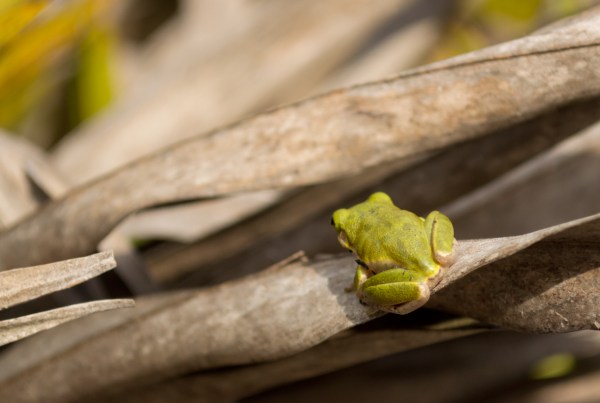
Camouflage is cool.



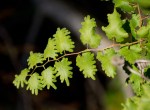
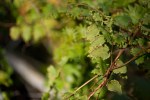
 This is Old World climbing fern. It is an invasive exotic plant, and this is what it does best.
Those trees on the left are what trees are supposed to look like, all tree shaped and growing normally. Those trees on the right… wait, what’s that you say? You can’t see the trees? Oh yeah. That’s because they are covered in strings upon strings of fern that are intently keen on smothering anything and everything on their way towards the light.

Lygodium microphyllum. The life cycle of Lygodium is really neat. It’s not from around here (hence the “exotic” part), and is really, really good at spreading (thus, “invasive”). As a fern, it follows the typical “really likes wet areas” theme, and is complete with the cute little sorus collections on the underside of the fertile leaves that produce thousands upon thousands of spores. Per leaf. These spores, and the climbing nature of this particular fern, are what make it so prolific. You can see the little dots in some of these pictures. Those are the collections of things that contain the thousands of spores, not the spores themselves.
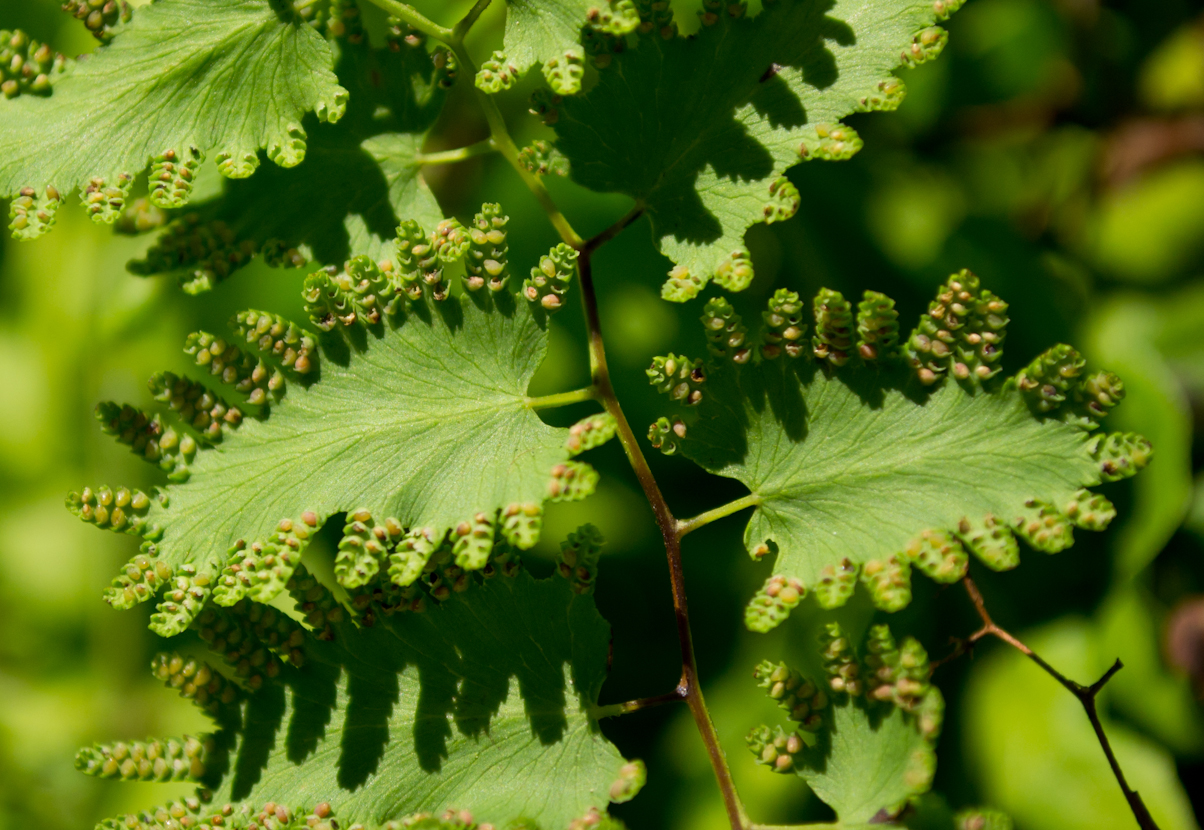
Seeds? Seeds?! They don’t need no stinking seeds. Want to reproduce? Just throw a bunch of spores out to the wind, hope some land in a nice damp bayhead (and a lot of them do), then just jump through a few fancy growth stages, and continue your growth back up towards the light. Not all of the leaves have these structures. You can see the two leaf types in the pictures below, some are vegetative, but some are just waiting to release their children. That means that when you pull at the vines to cut them, some times the spores get tossed to the breeze.

As this cycle of spore to vine is actually pretty quick, the plants unlucky enough to be the climbees, as opposed to the climbers, may not even have had time enough to die before being completely enveloped in fern. Armed with herbicide, clippers, and soon a machete (to better grapple with the ever present blackberry bushes), I have been tasked to go around and attempt to free these trees and kill as much climbing fern as possible to prevent further spread. Our goal is to cut any vine that is taller than waist high, and herbicide everything below.

It’s a giant pain in the ass. I really want a dragon. It would be sooooo much faster.





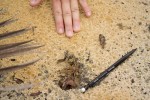
 Well, more like “Giants Invade Really Big Spider’s Natural Habitat”. I mean, even if you were a big burly guy with a lot of hairy arms, I bet you would want to defend your home by walking outside and looking as tough as possible too.
That’s what this Wolf Spider was doing when ventured out of its burrow for us curious scientists. It didn’t want any trouble, just to protect its home. With its crazy crazy face. So many eyes!!!



Reflections on adventures from Africa to Alaska
Exploring the animal kingdom from the perspective of art, folklore and mythology
Christine's Sketchbook
Swedish skull art
Located in Briscoe at Indiana University, the IU Civic Leaders Living-Learning Center is comprised of diverse students dedicated to leading for the greater good.
My Adventures in the Pacific Northwest
Nature and Science from Florida's Heartland
the Story within the Story
savoring life bite x bite
Melodic hiphop meets deep reflections about life and death
Sharing photos and thoughts about hope and God's love in the world.
What Life Doth
Two of the Great Joys in Life!
I will shatter a word and scatter the contents into the wind to share it with the world.
Indulge- Travel, Adventure, & New Experiences
PHOTOGRAPHY










 what Was, what Is, and what Will Be