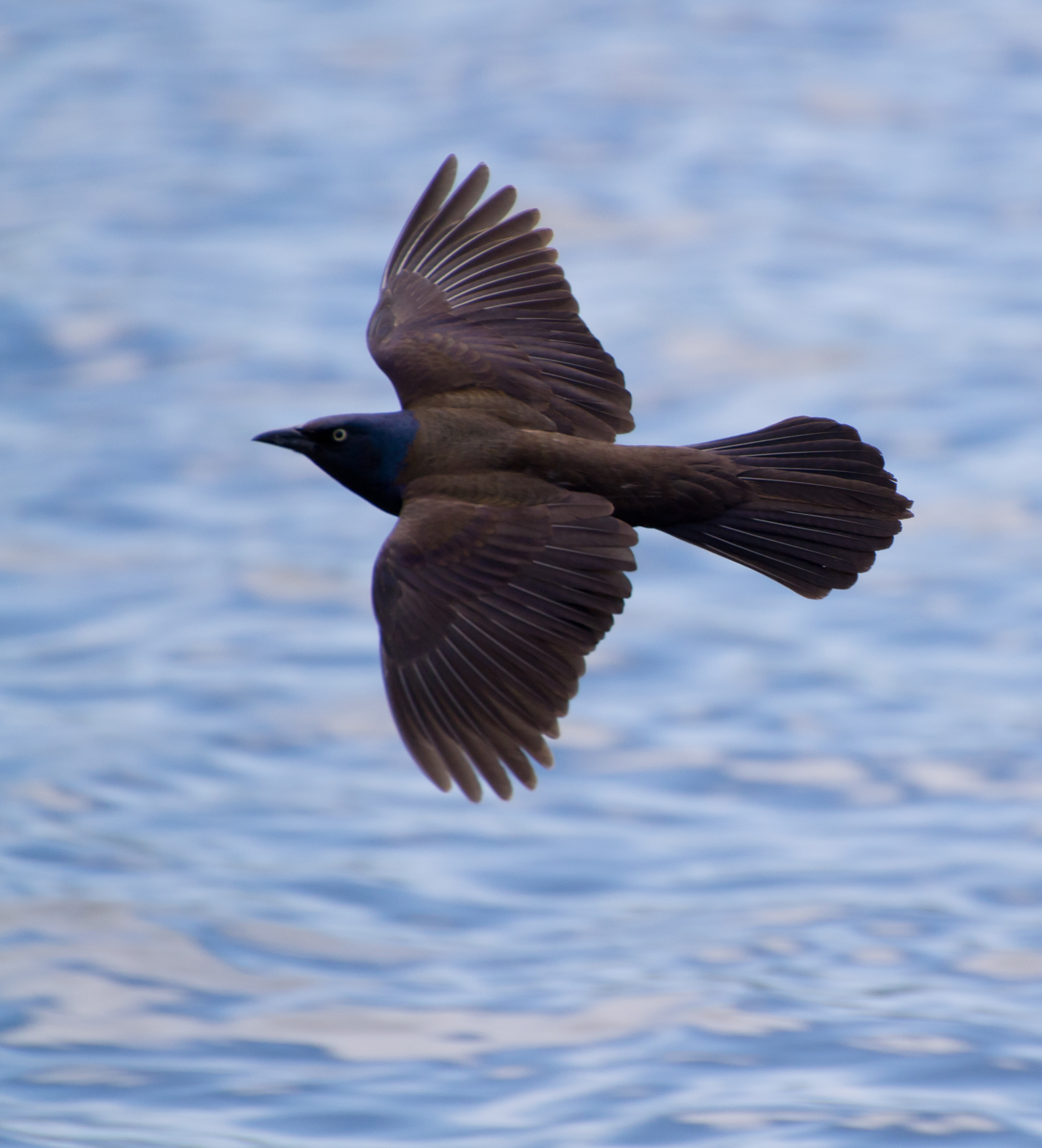
Yes, it might be just a Common Grackle, but it’s pretty darn fantastic, in my opinion.
Yes, it might be just a Common Grackle, but it’s pretty darn fantastic, in my opinion.
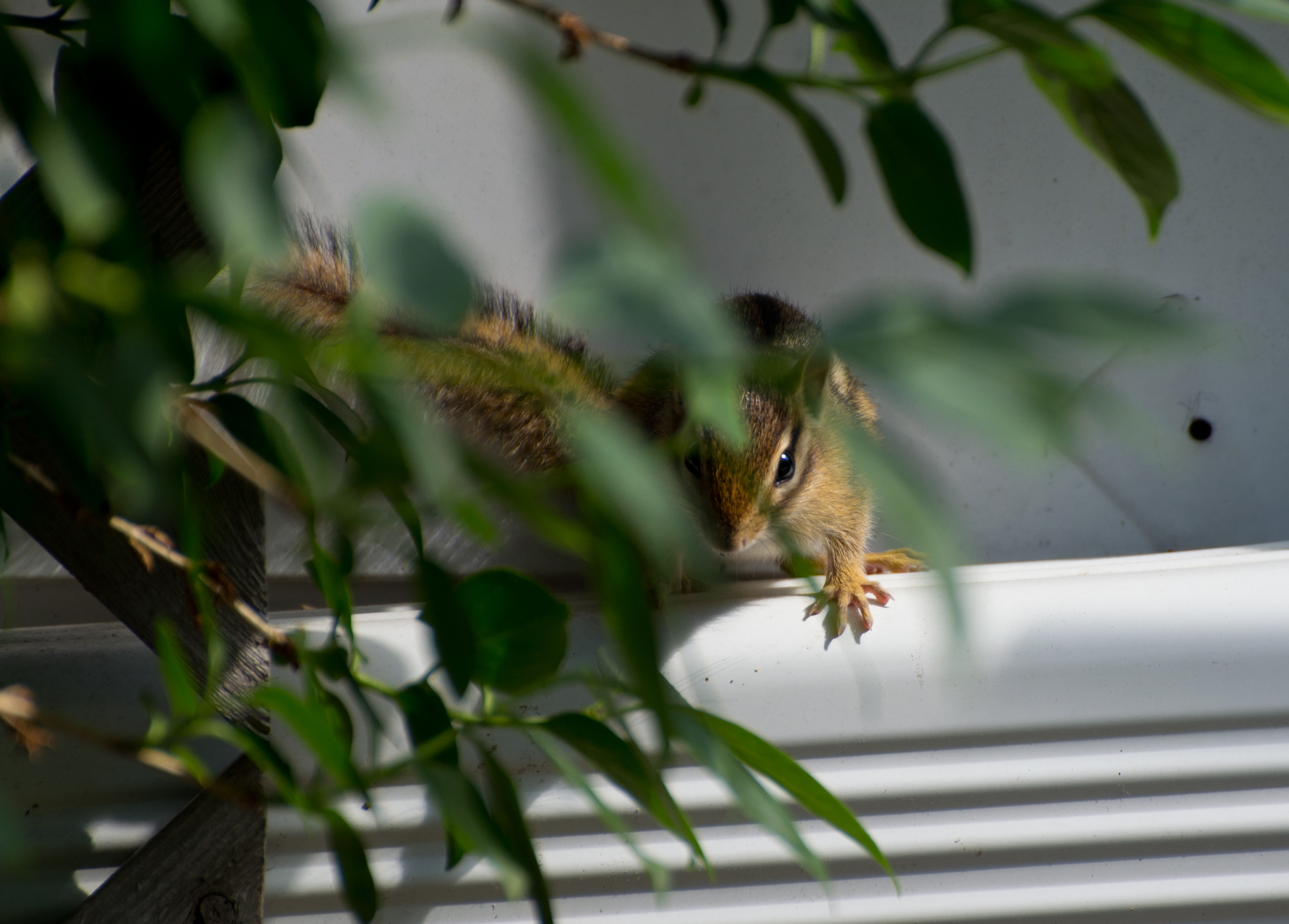
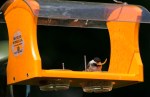
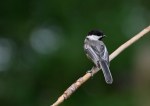
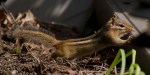
Chipmunks and Chickadees have the run of our back yard, and both are super ballsy. Despite the fact that our deck is less than twenty feet from the feeders and the drainpipe that is the little chippies home, the five or six Chickadees (including a few adorably stupid babies) and the pair of chipmunks have no problem coming right up underneath or above our chairs, yelling loudly the entire time. All are full of personality and are fun to watch, with picture opportunities so close they feel like cheating. In this case, I’m OK with cheating.






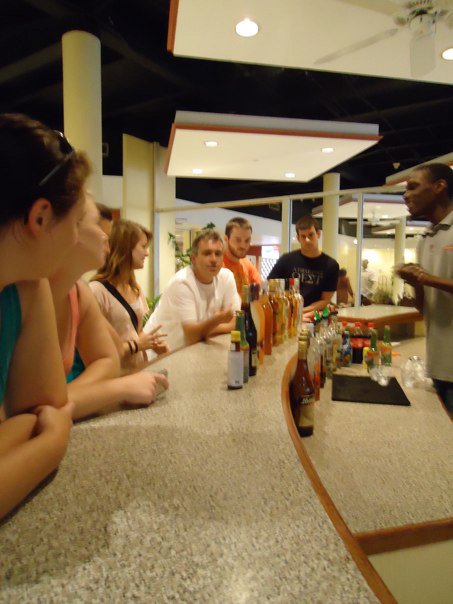
As one might expect, taking college students to a rum factory is akin to throwing a bunch of children into a candy store that has unlimited free samples and abandoning them for a bit while you go read a book. OK, it wasn’t that chaotic, but you see the potential. The morning was actually filled with a lot of learning, with topics ranging from the history of the factory and the process of distillation to a brief foray into, oddly enough, a large rare butterfly collection. Since I took notes on what the guide was saying (surprise), here’s a brief synopsis of the tour.

The House of Angostura produces a wide variety of rum types including light, golden, and dark as well as fruity punch mixes and the ever powerful puncheon rum. These drinks are not widely distributed outside of the country, if at all, but the most famous export from this distillery are the Angostura bitters. The company is nearly 200 years old, with roots that go back all the way to a German Surgeon-General by the name of Dr. Siegert traipsing around the Venezuelan jungle. By 1824, he had developed a remedy for stomach aches and other digestive issues that had been plaguing soldiers in the country. These bitters are made from a secret concoction of herbs and spices collected from Venezuela which are shipped to England to be sorted and ground together (called marrying), then shipped back to Trinidad, percolated with alcohol to extract the flavors and chemicals, mixed with sugars and other flavors, then let sit for a period of time to concentrate. The final product has been used as a general health tonic, an addition to the quinine-delivering tonic water, and most commonly as a mixer in cocktails. The Angostura bitters with its iconic packaging, a small bottle with an over-sized label, is a staple of bartenders all over the world. Check out this clip discussing the great bitter shortage of 2009.

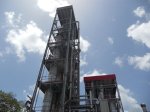
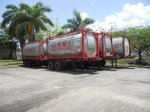
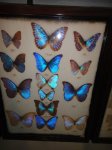
Among the sights at the distillery is a huge museum of over 8,000 butterflies from all over the world. This collection was bought from its owner to be kept by Angostura for the people of Trinidad and Tobago. A very odd, but very cool, addition to the tour. A walk and a trolley took us through parts of the distillation process, to the receiving areas for the molasses which is shipped in by the tanker load (oh man, did that smell great), and to the Rube-Goldberg like bottling plant.
We were also reminded that Trinidad is a former British colony, as the House of Angostura holds a “royal warrant”, which is “the prestigious distinction awarded by royal grace and favour, to firms whose products are excellent and of the highest standard of quality” according to the Angostura website. The distillery was visited by Her Majesty Queen Elizabeth II in 1985, but she did not use the special lou that was constructed just for her (the red roofed building below).

After the tour, we were given a chance to taste all the wonderful products that we learned about that day. Needless to say, it was a good time. The last stop was the gift store, where a large supply of potential good times was secured by the students for the rest of the trip. Once the stragglers were coaxed out of the shop, we got some food to go, and were whisked off to our next destination, the Pointe-a-Pierre Wild Fowl Trust, more on that in my next installation.
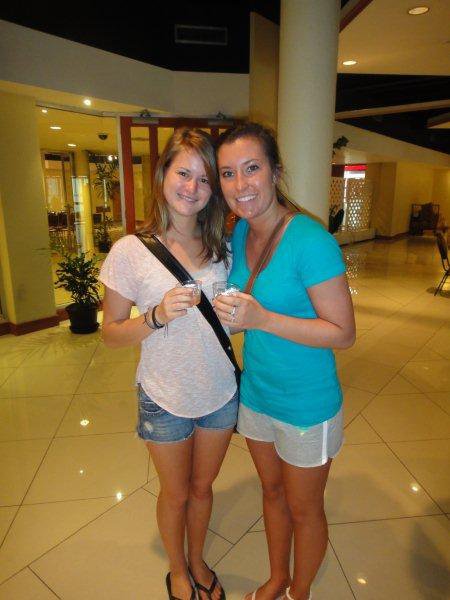
Thanks again to the students for the pictures, I evidently was saving my snap happiness for the afternoon’s bird filled festivities.








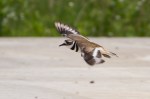
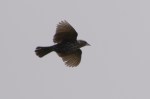
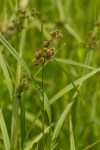
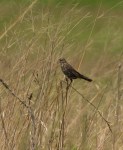
I really like marshes, swamps, rivers, streams, lakes, oceans, seas, and pretty much any place where land meets water. This interface between states creates habitats that are home to all sorts of flora and fauna that thrive on the nooks and crannies (or niches, to you sciency types) that are unique to these areas. If you move slow and quiet enough, you might see the nature before the nature sees (or cares about) you. Generally, the lumbering human is obvious to the wildlife chilling out on the cattails and buggers off while yelling at you before you have a chance to get your focus right. And by you, I mean me. Speedy little twerps.
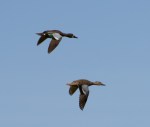
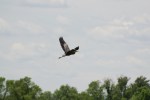
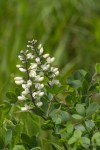
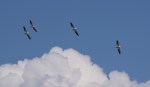
Occasionally, however, you’re lucky enough to connect lens to light and secure your shot before your friends fly or skitter away. Here is a set of things I saw while appreciating the Horicon and Fairfield Marshes in southern Wisconsin, I hope you enjoy. Oh, and taking pictures of plants is slightly cheating (they don’t move even if you accidentally step on them) but I do it anyway, because you can’t have ecosystems without plants. They’re also pretty.












Reflections on adventures from Africa to Alaska
Exploring the animal kingdom from the perspective of art, folklore and mythology
Christine's Sketchbook
Swedish skull art
Located in Briscoe at Indiana University, the IU Civic Leaders Living-Learning Center is comprised of diverse students dedicated to leading for the greater good.
My Adventures in the Pacific Northwest
Nature and Science from Florida's Heartland
the Story within the Story
savoring life bite x bite
Melodic hiphop meets deep reflections about life and death
Sharing photos and thoughts about hope and God's love in the world.
What Life Doth
Two of the Great Joys in Life!
I will shatter a word and scatter the contents into the wind to share it with the world.
Indulge- Travel, Adventure, & New Experiences
PHOTOGRAPHY







 what Was, what Is, and what Will Be