
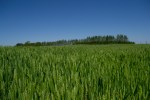
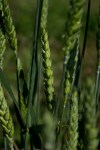
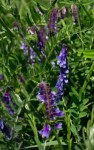
Over the past glorious year, I have learned a lot about conventional and organic agriculture. One practice implemented in both types of cropping systems is called cover cropping, which basically is the use of a secondary crop that is planted when the main crop is not in the field. These cover crops can control weeds, limit soil erosion, promote insect diversity, and increase the amount of important nutrients such as nitrogen in the soil. Plants such as rye, wheat, vetch, peas, and clovers are used to keep something going in the field at all times, potentially reducing the overall inputs on the land, whether it be fertilizer, herbicides, or even plowing.




 what Was, what Is, and what Will Be
Leave a comment